
Expressive and Receptive Language Therapy for Kids
Language is an important part of how children learn, play, and connect with the world around them. Some children may struggle with language development, which can affect how they understand others or express themselves. Expressive and receptive language therapy focuses on helping children build these important skills for better communication and social interaction.
What is Receptive Language
Receptive language is the ability to understand what others are saying. This includes following directions, understanding questions, and recognizing the meaning of words or sentences. Children with receptive language difficulties may seem like they are not listening, may have trouble following instructions, or may find it hard to understand new concepts.
What is Expressive Language
Expressive language is the ability to use words, sentences, and gestures to communicate thoughts, needs, and feelings. Children with expressive language challenges may have a limited vocabulary, struggle to form sentences, or find it difficult to tell stories and share ideas.
How Therapy Helps
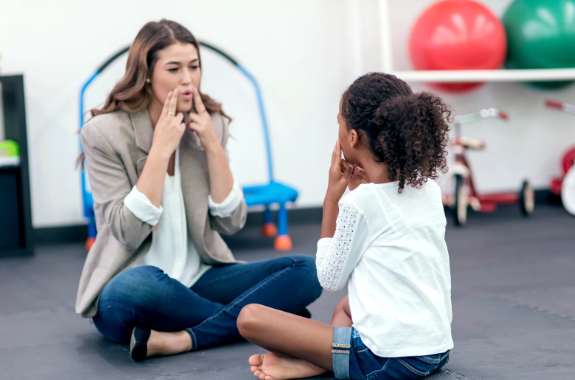
Language therapy is tailored to the individual needs of each child. Speech and language therapists use different techniques such as
- Play based activities to make learning fun and engaging
- Visual aids and pictures to support understanding
- Storytelling and role play to encourage expression
- Repetition and modeling to strengthen language patterns
- Interactive games to improve both comprehension and expression
Benefits of Expressive and Receptive Language Therapy
- Improves understanding of spoken language
- Builds vocabulary and sentence structure
- Encourages confident self expression
- Enhances social communication skills
- Supports success in school and everyday life
Role of Parents and Caregivers
Parents play a very important role in supporting language development. Simple steps such as reading with the child, encouraging conversations, asking open ended questions, and giving praise for efforts can make therapy more effective. Consistent practice at home helps children make faster progress.
