For many children on the autism spectrum, the challenge of grip endurance stems from a combination of low muscle tone (hypotonia) and difficulties with motor planning. In a clinical context, we look at the palmar arches and the stability of the wrist. Without a stable base at the wrist, the fingers cannot move independently, leading to a “whole-hand” grip that tires the child out during weekend craft activities at the Sharjah Discovery Centre.
Occupational therapy utilizes purposeful play to build this stamina. By engaging in activities that require sustained “squeeze and release” motions, we are essentially training the nervous system to maintain muscle contraction over longer periods. This isn’t just about strength; it’s about the neuromuscular efficiency required to hold a toothbrush, a spoon, or a crayon throughout the day without sensory meltdown or physical exhaustion.
The Heavy-Work Sensory Bin
Create a “resistance bin” using kinetic sand or firm therapy putty. Hide small “treasures” like plastic desert animals inside. Ask your child to dig them out using only their thumb and index finger. This builds the specific endurance needed for daily living tasks and mimics the resistance they encounter when buttoning a school uniform or opening a lunchbox.
Specialist FAQ
- Is grip endurance linked to sensory processing?
Yes. Some children “under-register” touch and squeeze too hard to “feel” the object, which leads to faster fatigue.
- How long does it take to see improvement?
Consistency is key. With a dedicated home program and weekly OT sessions, parents usually notice a difference in 8 to 12 weeks.
- Will this help with self-feeding?
Absolutely. Grip endurance is the foundation for using utensils and gaining independence during family dinners.
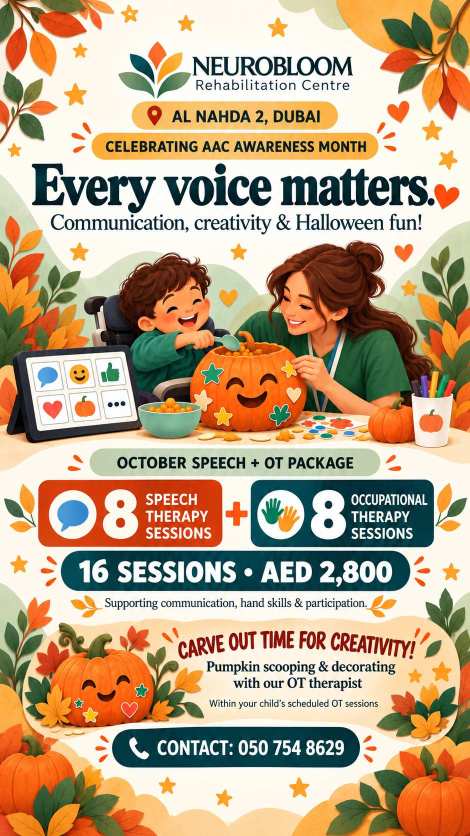
Give your child the grip strength they need for a more independent life. Reach out to Neurobloom Rehabilitation Centre, Al Nahda 2, Dubai at 0507548629 to discuss our customized occupational therapy plans.