Daily Living Skills Training for Children with Disabilities
Daily living skills are the everyday activities that help children become more independent and confident in their routines. For children with disabilities, learning these skills can be challenging, but with the right training and support, they can achieve greater independence and improve their quality of life.
What are Daily Living Skills
Daily living skills include activities such as eating, dressing, bathing, grooming, using the toilet, managing money, and completing simple household tasks. These skills are important because they allow children to take care of themselves and participate actively in daily life.
Why Daily Living Skills Training Matters
Children with disabilities may face difficulties in learning or performing daily tasks due to physical, cognitive, or developmental challenges. Training in daily living skills helps them
- Develop independence
- Improve self confidence
- Reduce reliance on others
- Build a sense of responsibility
- Prepare for future transitions to school, community, and adulthood
How Training is Provided
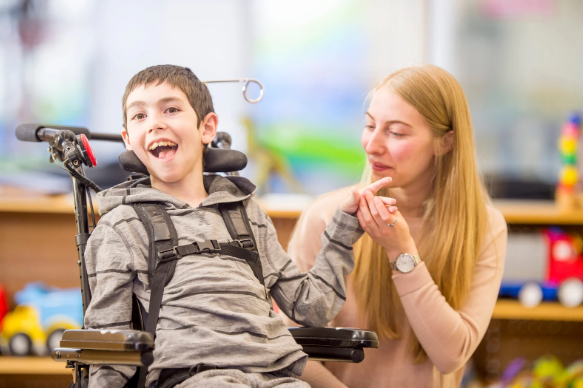
Daily living skills training is usually tailored to the individual needs of each child. Therapists and educators use practical, hands on methods to teach skills in real life situations. Some effective approaches include
- Breaking tasks into smaller steps
- Using visual aids and demonstrations
- Practicing skills in everyday environments
- Repetition and positive reinforcement
- Involving family members in practice
Examples of Skills Taught
- Dressing independently with simple clothing choices
- Brushing teeth and basic hygiene routines
- Preparing simple snacks and drinks
- Learning how to safely cross the street
- Managing pocket money or simple purchases
The Role of Parents and Families
Family support is essential in reinforcing daily living skills. Parents can encourage independence by allowing children to try tasks on their own, providing guidance, and celebrating progress. Consistency at home helps children apply what they learn during training.