
Neurobloom Rehabilitation Centre
Where Clinical Care Meets a Home-Like Calm
A child-centred rehabilitation centre providing evidence-based support in a safe, nurturing, and sensory-friendly environment..

About Us
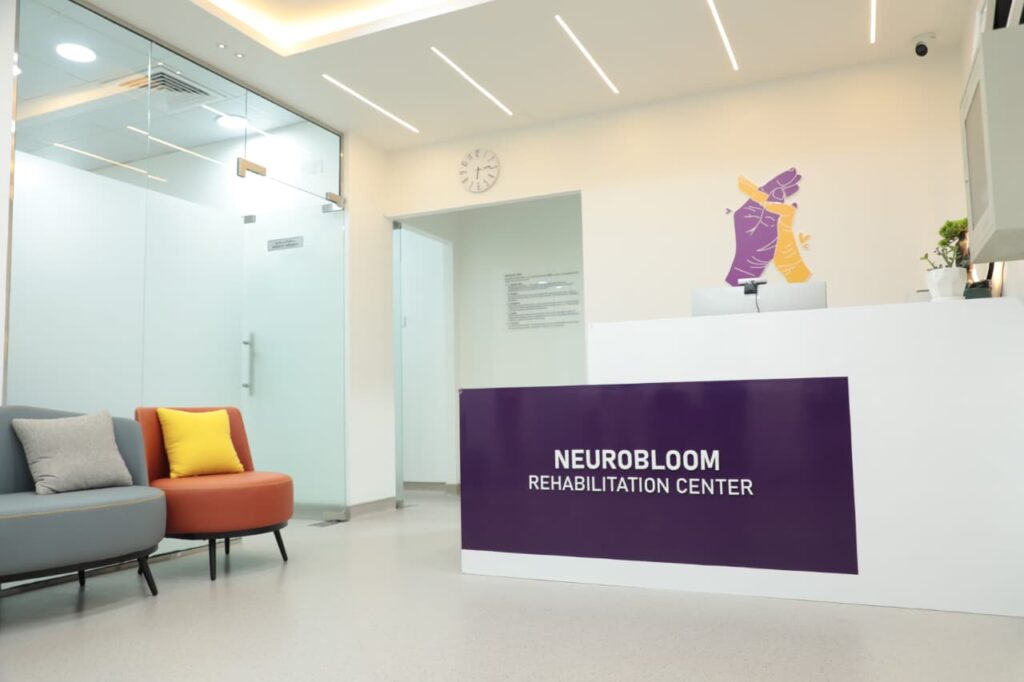
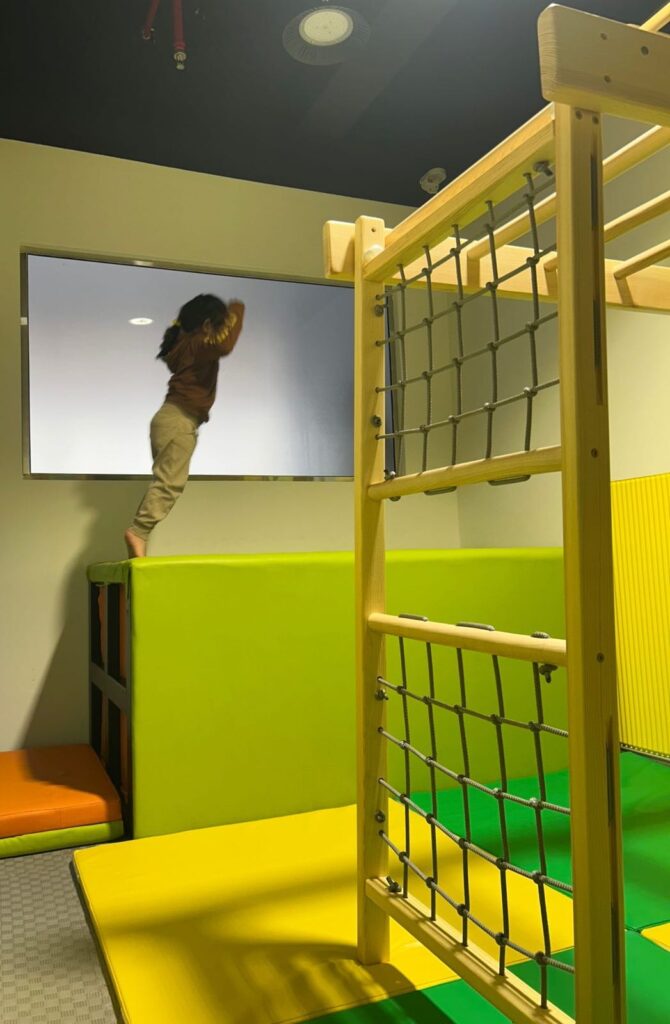
Neurobloom Rehabilitation Centre is a home-style child development centre offering evidence-based support in a calm, nurturing environment. We combine clinical expertise with family-like approach, creating a space that feels safe, personal, and supportive rather than institutional.

Important Sections
Neighbourhood Info
Knowledge Centre
- Physiotherapy For Genetic Disorders
- Helping Reduce Hyperactivity Using ADHD Therapy Activities
- Therapy For Slow-Writing Children
- Feeding Developmental Therapy
- Supporting Overall Developmental Balance Using Developmental Delay Therapy
- Supporting Broader Vocabulary Range Using Speech And Language Therapy
- Helping Children Use Meaningful Words Through Speech Delay Treatment
- Helping Toddlers Begin Speaking Through Speech Delay Treatment
- How Emotional Regulation Develops With Adhd Therapy For Kids
- Supporting Better Balance Using Physiotherapy For Special Children
- Speech Delay Home Practice Activities
- Supporting Better Neurological Alignment Using Neurodevelopmental Therapy
- Feeding Therapy For Food Anxiety
- Supporting Stronger Decision-Making Skills Using Child Counselling Services
- Child CBT For Social Skills
- Supporting Social Communication Growth Using Speech Delay Treatment
- Helping Children Transition To Solid Foods Using Feeding Therapy For Kids
- Child Self-Expression Training
- Helping Children Finish Meals On Time Through Feeding Therapy For Kids
- Supporting Better Grip Endurance With Occupational Therapy For Autism
- Helping Refine Coordination Skills With Sensory Integration Therapy
- Helping Enhance Language Rhythm And Flow Using Speech Delay Treatment
- Behaviour Modification For Conflict Resolution
- ABA Therapy to Build Coping Skills
- Group Therapy For Emotional Maturity
- Behaviour Modification For Stubborn Children
- How Writing Neatness Develops With Handwriting Improvement Therapy
- Speech Therapy For Social Interaction
- Feeding Therapy For Poor Mealtime Posture
- Boosting Communication Intent Using Child Behaviour Therapy
- Helping Improve Emotional Literacy With Cognitive Behavioural Therapy For Kids
- Supporting Everyday Skill-Building Through Physiotherapy For Special Children
- Developing Responsible Behaviour With Child Counselling Services
- Improving Listening Skills Using Group Therapy For Children
- Helping Refine Reading Comprehension Via Therapy For Slow Learning Child
- Activities to Improve Motor Planning in Children
- Helping Kids Navigate Social Challenges Through Social Skills Training For Children
- Autism Sensory Integration OT
- Supporting Letter Shape Consistency Through Handwriting Improvement Therapy
- Therapy For Improving Neurological Patterns
- Helping Build Speech Fluency For School Readiness Using Speech Therapy For Kids
- Supporting Smoother Transitions With Behavioural Therapy For Children
- CBT For Behaviour Restructuring In Kids
- Speech Delay Developmental Therapy
- Supporting Improved Reading Fluency With Therapy For Slow Learning Child
- ABA Therapy for Academic Readiness Support
- Supporting Social Development Through A School Readiness Program
- Helping Refine Vestibular Responses Through Sensory Integration Therapy
- Child Behaviour Structure Building Therapy
- Supporting Early Communication Habits With Speech Delay Treatment
Buid skills, confidence and independence. Enroll Today.
Our Blog
Supporting Whole-Body Awareness Using Sensory Integration Therapy
Whole-body awareness, or proprioception, is the "sixth sense" that tells your brain where your body parts are in space without you having to look at...
Improving Adaptability Through Child Behaviour Therapy
Adaptability is the hallmark of a resilient nervous system. It requires the brain to demonstrate Cognitive Flexibility—the ability to switch between...
SPD Classroom Therapy
Sensory Processing Disorder (SPD) in the classroom is a significant challenge where the brain misinterprets environmental inputs—the hum of an AC...