Social Skills Training for Children with Autism Spectrum Disorder
Social skills are the abilities that help children interact, communicate, and build relationships with others. For children with Autism Spectrum Disorder (ASD), developing social skills can be more challenging. They may face difficulties in understanding social cues, starting conversations, or participating in group activities. Social skills training provides structured guidance to help children with ASD learn and practice these important abilities.
Why Social Skills are Important
- Strong social skills help children with ASD to
- Build friendships and positive relationships
- Communicate more effectively with peers and adults
- Participate in school and community activities
- Improve self confidence and emotional well being
- Develop problem solving and teamwork abilities
Challenges Children with ASD May Face
- Difficulty understanding body language and facial expressions
- Trouble starting or maintaining conversations
- Limited interest in social interactions
- Repetitive behaviors that may affect social participation
- Difficulty sharing, taking turns, or cooperating in play
How Social Skills Training Helps
Social skills training is often provided through structured programs led by therapists and educators. Some effective approaches include
- Role Play Practicing common social situations such as greeting, asking for help, or joining a group
- Social Stories Using simple stories to teach social expectations and behaviors
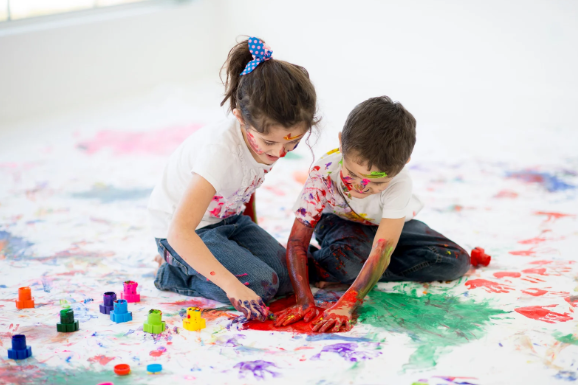
- Group Activities Encouraging children to interact with peers in a supportive environment
- Visual Supports Charts, pictures, or videos to explain social rules and steps
Practicing Turn Taking Games and activities designed to improve sharing and cooperation
Role of Parents and Caregivers
Parents can reinforce social skills by encouraging playdates, modeling positive interactions, and practicing skills at home. Consistent encouragement and patience help children apply what they learn in therapy to real life situations.