Interventions for Social Anxiety in Children
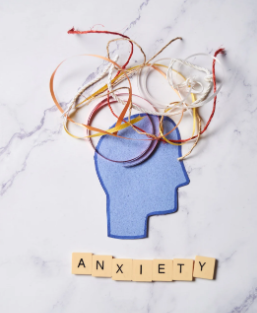
Social interaction is a key part of a childs growth and development. However some children experience extreme fear or discomfort in social situations which may indicate social anxiety. Social anxiety in children can affect communication school participation and the ability to build friendships. With early support and therapeutic interventions children can learn to overcome these challenges and gain confidence in social environments. At child rehabilitation centres in Dubai a range of interventions are ava…
Understanding Social Anxiety in Children
Social anxiety is more than shyness. It is a persistent fear of being judged embarrassed or negatively evaluated by others. Children with social anxiety may avoid speaking in class struggle to make friends or show physical symptoms like sweating or stomach aches in social situations.
Interventions for Social Anxiety in Children
Cognitive Behavioral Therapy CBT
CBT is one of the most effective interventions for social anxiety. It helps children identify negative thought patterns and replace them with positive coping strategies. Through gradual exposure and role play children learn to handle social situations with less fear.
Speech and Language Therapy
For children whose anxiety is linked to communication difficulties speech therapy helps build clarity confidence and fluency. Improved communication skills reduce stress during social interactions and enhance participation in school activities.
Occupational Therapy
Occupational therapy addresses sensory sensitivities and emotional regulation. It equips children with tools to manage stress build self regulation and adapt to social environments more comfortably.
Behavioral Therapy
Behavioral interventions use reinforcement and structured techniques to encourage positive social behavior. By practicing social skills in a safe setting children gain confidence that carries into real life situations.
Parent and Teacher Involvement
Collaboration between therapists parents and teachers ensures consistent support. With guidance parents and educators can create environments that reduce anxiety and encourage social participation.
Why Early Intervention Matters
Social anxiety if left unaddressed can impact academic performance self esteem and long term social development. Early therapeutic interventions allow children to build confidence manage stress and succeed in both academic and social settings.
School Preparation Therapy for Children with Delays
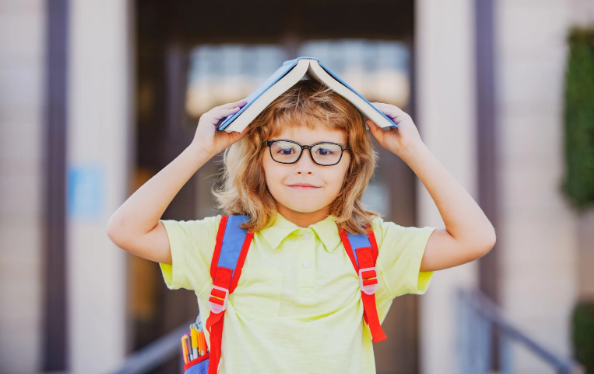
Starting school is an exciting milestone for every child but for those with developmental delays it can also bring challenges. School readiness involves more than just knowing numbers and letters. It requires skills in communication, behavior, social interaction, motor coordination, and self help. For children who face delays in these areas, school preparation therapy can make a significant difference. At child rehabilitation centres in Dubai, school preparation therapy is designed to build the found…
What is School Preparation Therapy
School preparation therapy is a set of therapeutic interventions that support children in acquiring the skills necessary to succeed in a school environment. It addresses developmental gaps and ensures children are ready for academic and social participation.
Types of School Preparation Therapy
Speech and Language Therapy
Children with speech or language delays may struggle to follow classroom instructions or express themselves. Speech therapy helps children build vocabulary, improve sentence structure, and communicate confidently with teachers and peers.
Occupational Therapy
Occupational therapy develops fine motor and self help skills that are essential for school tasks. From holding a pencil and writing to dressing and eating independently, occupational therapy prepares children to manage classroom activities and daily routines.
Behavioral Therapy
Adjusting to a structured school environment requires focus, attention, and emotional regulation. Behavioral therapy equips children with strategies to manage behavior, build self control, and develop social skills that allow them to thrive in group settings.
Physical Therapy
Some children face delays in gross motor skills such as balance, posture, or coordination. Physical therapy helps strengthen these skills so children can participate in physical education, play activities, and classroom seating with confidence.
Early Intervention Programs
For children with significant developmental delays, early intervention programs provide a comprehensive approach by combining speech, occupational, behavioral, and physical therapies. These programs ensure children are supported in all areas of development before entering school.
Why School Preparation Therapy Matters
School preparation therapy gives children the tools to adapt and succeed in a structured learning environment. By addressing challenges early, it boosts confidence, independence, and academic readiness. Parents who opt for therapy provide their children with a smoother transition into school life.
Therapies to Support Early Childhood Education Success
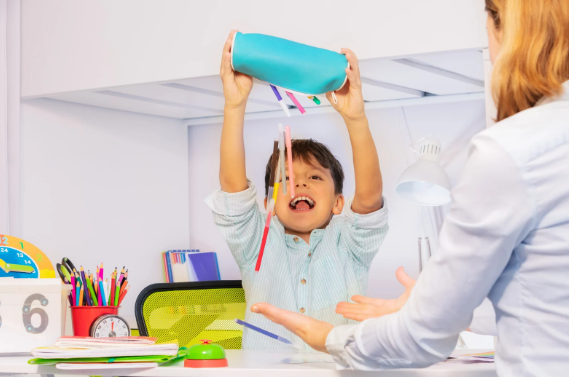
Early childhood education is more than learning numbers and alphabets. It lays the foundation for a childs overall growth in communication, behavior, emotional well being, and learning skills. For children with developmental delays or special needs, therapies play a vital role in supporting their success in early education programs. At child rehabilitation centres in Dubai, specialized therapies are designed to enhance learning and prepare children for school and beyond.
Speech and Language Therapy
One of the most important areas of early development is communication. Speech and Language Therapy helps children improve their ability to understand and use language. This therapy is essential for children who face delays in speech, have difficulty expressing themselves, or struggle with understanding instructions. Strong communication skills are directly linked with better classroom performance and social interaction.
Occupational Therapy
Occupational Therapy focuses on developing the fine motor, sensory, and self help skills required for daily life and learning. For young children, this can include improving hand eye coordination, sitting tolerance, writing readiness, and self care skills. By addressing these areas early, occupational therapy prepares children for the structured environment of school and enhances independence.
Behavioral Therapy
Many children face challenges in managing emotions, attention, or behavior. Behavioral Therapy provides structured techniques to help children regulate emotions, build focus, and adopt positive social behaviors. Early intervention in behavior management ensures that children can actively participate in classroom learning and group activities.
Early Intervention Programs
Early Intervention combines multiple therapies such as speech, occupational, and behavioral therapy to address developmental delays in a holistic way. These programs are designed for children from infancy to early school years and have been proven to boost school readiness and long term educational outcomes.
Why Early Therapy Matters
Starting therapy at the earliest stages of development not only improves skills but also builds confidence in children. Parents who seek therapy early give their child the best chance to succeed academically and socially.