
Language Therapy for Bilingual Children
Growing up in a bilingual environment has many advantages for children. It helps them connect with their culture, communicate with a wider community, and strengthen cognitive skills. However, some children may face challenges in learning and using two languages effectively. Language therapy can provide support for bilingual children to ensure healthy communication development in both languages.
Challenges Faced by Bilingual Children
Bilingual children may sometimes mix words from two languages, have smaller vocabularies in each language compared to monolingual peers, or take longer to form sentences. Some may also struggle with grammar, pronunciation, or switching between languages depending on the situation. These difficulties are normal but can sometimes lead to concerns about speech and language development.
How Language Therapy Helps
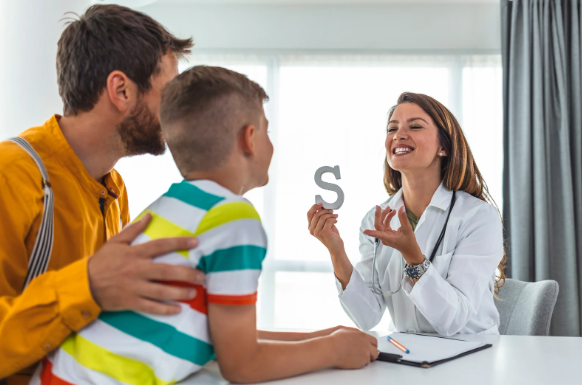
Language therapy supports bilingual children by focusing on building communication skills in a way that respects both languages. Therapists use strategies that strengthen the child’s ability to understand and express themselves. Approaches include
- Identifying strengths and needs in both languages
- Encouraging vocabulary growth in daily routines
- Using stories, songs, and play activities in both languages
- Teaching strategies for clear sentence formation
- Helping children switch smoothly between languages in different settings
Benefits of Language Therapy for Bilingual Children
- Builds confidence in using both languages effectively
- Improves vocabulary, grammar, and sentence structure
- Enhances social communication with peers and family
- Supports academic success by improving comprehension and expression
- Encourages cultural identity and stronger family connections
Role of Parents and Caregivers
Parents and caregivers play an important role in supporting bilingual language development. Reading stories, singing songs, and encouraging conversation in both languages helps children grow their skills. Creating a positive environment for language use reduces pressure and allows children to enjoy learning both languages.
