
Sensory Integration Therapy Dubai: Helping Your Child Feel Calm, Organized, and in Control
When sounds are too loud, tags are unbearable, and the world feels overwhelming — we help your child’s nervous system find balance.
Your child covers their ears at the sound of the vacuum cleaner. They refuse to wear certain clothes because the fabric “hurts.” They crash into furniture, spin in circles for what seems like hours, or melt down in busy places like malls and birthday parties. Or maybe your child is the opposite — sluggish, hard to engage, seeming not to notice when they’re touched or when their name is called.
These aren’t behavioral choices. These are signs that your child’s sensory processing system — the way their brain receives, interprets, and responds to sensory information — is struggling to do its job. And when sensory processing goes awry, everything else becomes harder: learning, playing, making friends, even eating and sleeping.
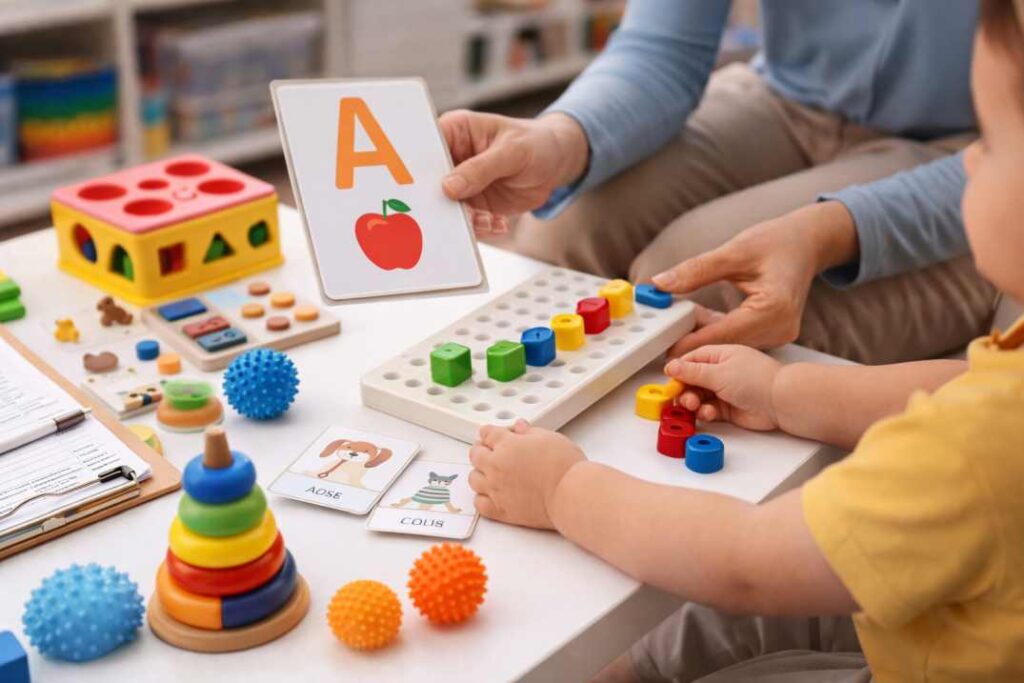

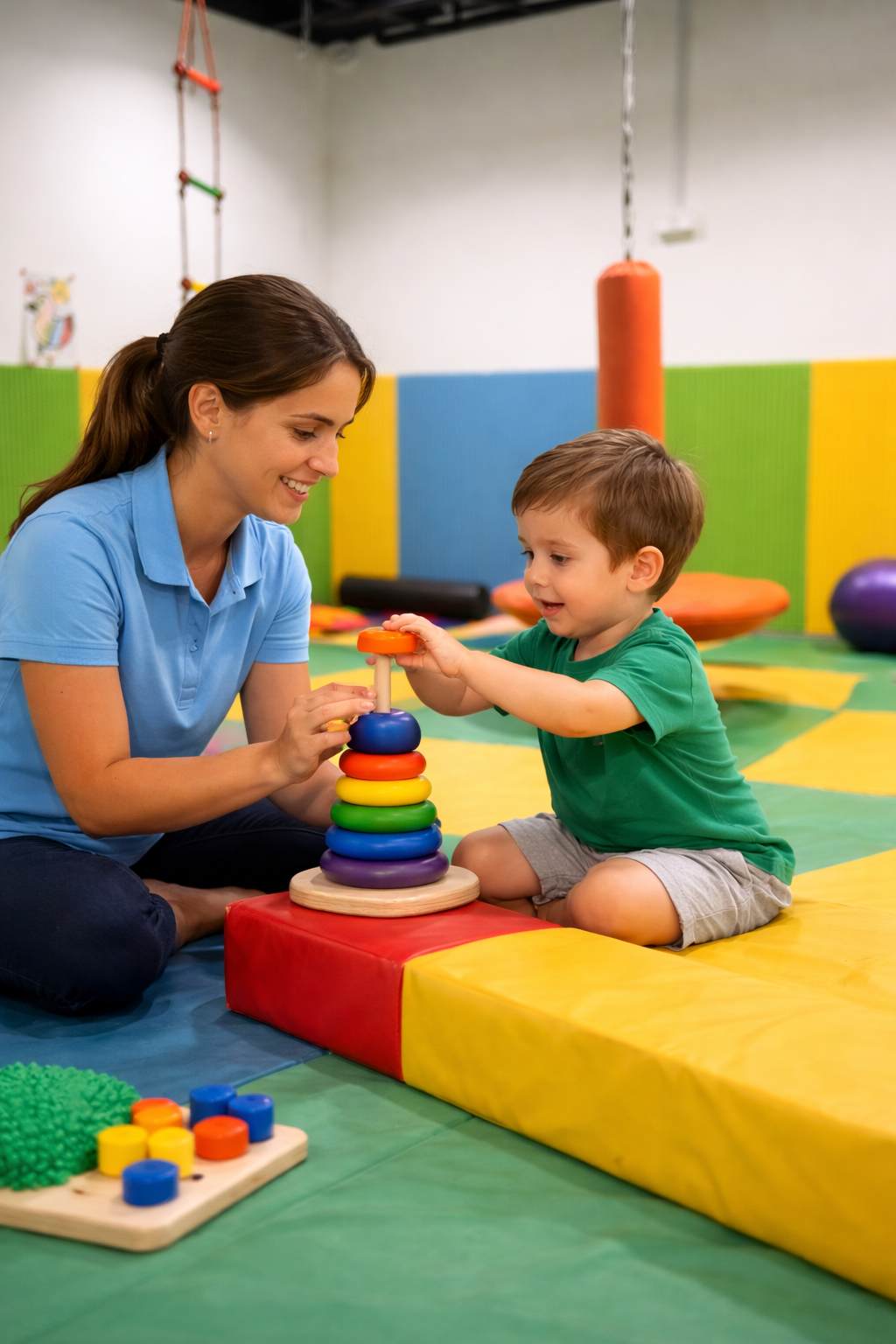
What Is Sensory Integration Therapy — and Does My Child Need It?
Sensory integration therapy is a specialized form of occupational therapy that addresses the way a child’s brain processes and responds to sensory information. Sensory information includes everything your child sees, hears, feels, tastes, and smells — plus two less obvious senses: the vestibular sense (movement and balance) and proprioception (body awareness and position).
In a typically developing child, the brain receives sensory input, filters out what’s irrelevant, and organizes the rest into an appropriate response. For a child with sensory processing difficulties, this system doesn’t work smoothly. The brain may over-respond to sensory input (making ordinary sensations feel intense or painful), under-respond (making the child seem oblivious to input that others notice), or crave intense sensory experiences to feel regulated.
Sensory integration therapy helps retrain the brain’s sensory processing system through carefully designed, play-based activities that challenge your child’s sensory responses in a safe, supportive environment.
Your child might benefit from sensory integration therapy if you’ve noticed:
- Extreme reactions to sounds, lights, textures, or smells that others don’t notice
- Refusal to wear certain fabrics, tags, or seams in clothing
- Constant need to touch objects, people, or surfaces
- Fear or avoidance of playground equipment — swings, slides, climbing structures
- Excessive risk-taking without apparent awareness of danger
- Constant movement — spinning, jumping, crashing, running, fidgeting
- Poor balance or coordination; clumsiness beyond what’s typical for their age
- Difficulty sitting still or maintaining an alert but calm state
- Overwhelm in busy environments like malls, supermarkets, or classrooms
- Picky eating related to food textures, temperatures, or appearance
- Difficulty with personal space — standing too close or withdrawing from touch
- Trouble calming down after becoming upset or excited
Every child shows some of these occasionally. When these patterns are frequent, intense, and interfere with daily life — learning, socializing, family routines — sensory integration therapy can make a profound difference.
Sensory Processing Patterns We Address
Sensory processing difficulties don’t look the same in every child. Understanding your child’s specific sensory profile is the foundation of effective therapy.
|
Over-Responsive (Sensory Avoiding) |
Under-Responsive (Sensory Seeking) |
Motor-Based Challenges |
|
Tactile defensiveness — hates tags, seams, messy play |
Craves intense touch, deep pressure, crashing |
Dyspraxia — difficulty planning new movements |
|
Auditory sensitivity — covers ears, fears loud sounds |
Doesn’t seem to hear name being called |
Poor balance and frequent falling |
|
Gravitational insecurity — fears feet leaving ground |
Seeks intense movement — spinning, swinging, rocking |
Low muscle tone affecting posture and endurance |
|
Oral defensiveness — gags on textures, limited diet |
Mouths objects beyond toddler years |
Poor bilateral coordination — using both hands together |
|
Visual sensitivity — bothered by bright or fluorescent lights |
Stares at lights, spinning objects, patterns |
Fine motor delays affecting handwriting |
|
Difficulty with transitions and unexpected changes |
Seems oblivious to pain or temperature |
Difficulty with personal space and body awareness |
Each underlined term links to a detailed article explaining that specific sensory pattern in parent-friendly language.
How We Work: The Neurobloom Approach to Sensory Integration
Sensory integration therapy is not about forcing a child to tolerate what bothers them. It’s not about exposure therapy or “toughening them up.” It’s about providing specific, targeted sensory experiences in a safe environment so your child’s nervous system can learn to process sensory input more effectively — at its own pace, in its own way.
Step 1: We Assess Your Child’s Unique Sensory Profile
Effective sensory integration therapy begins with a thorough assessment. Our occupational therapists use standardized sensory processing assessments, structured clinical observations, and detailed parent interviews to understand your child’s specific sensory patterns. We want to know: Which senses are over-responsive? Which are under-responsive? Does your child seek or avoid movement? How does sensory processing affect their daily life — eating, dressing, sleeping, playing, learning?
We also assess motor skills, coordination, balance, and praxis (motor planning) — because sensory processing and motor function are deeply interconnected.
Step 2: We Build an Individualized Sensory Diet
A “sensory diet” isn’t about food. It’s a carefully designed set of sensory activities and environmental accommodations that provide the input your child’s nervous system needs throughout the day — at the right times, in the right amounts. Your child’s sensory diet is integrated into their daily routines: a movement break before homework, deep pressure activities after school, calming vestibular input before bed.
Step 3: We Deliver Therapy Through Play in a Sensory-Rich Environment
Sensory integration therapy happens in a specialized sensory gym — a space equipped with swings, climbing structures, crash pads, weighted items, textured surfaces, and adjustable lighting. Sessions are child-directed and play-based, not drill-based. Your child doesn’t feel like they’re in therapy. They feel like they’re playing — while their brain is doing the hard work of building new neural pathways.
A session might involve swinging in different planes to activate the vestibular system, crawling through a tunnel for proprioceptive input, or engaging with textured materials in a graded, non-threatening way. The therapist follows your child’s lead, increasing challenge as their system is ready.
Step 4: We Educate and Equip You
Sensory integration doesn’t stop when the session ends. We teach you why your child responds the way they do, what sensory inputs help them regulate, and how to implement strategies at home, at school, and in the community. You learn to recognize the early signs of sensory overload — and what to do before a meltdown occurs.
Step 5: We Coordinate With Your Child’s Full Team
Sensory processing affects everything. If your child also receives speech therapy, behavioral therapy, or educational support, our sensory integration therapists communicate with those providers. Your child’s speech therapist should know about their auditory sensitivities. Their teacher should understand why movement breaks improve focus. We ensure the full team works from a shared understanding of your child’s sensory needs.
Is Sensory Integration Therapy Right for Your Child?
We work with children from 12 months to 12 years who:
- Have been diagnosed with Sensory Processing Disorder
- Show significant sensory sensitivities or sensory-seeking behaviors
- Have autism, ADHD, developmental delays, or learning difficulties with co-occurring sensory challenges
- Struggle with motor coordination, balance, or motor planning
- Have feeding difficulties related to texture sensitivities or oral motor challenges
- Experience frequent meltdowns that seem connected to sensory overload
- Have difficulty with daily activities — dressing, hygiene, sleep, school participation — due to sensory factors
A formal Sensory Processing Disorder diagnosis is not required to begin therapy. If your child’s sensory patterns are affecting their quality of life, we start with assessment and build a plan based on need.


What a Sensory Integration Therapy Session Looks Like
Your child enters our sensory gym — a space that looks more like an indoor playground than a clinic. Suspended swings hang from ceiling mounts. Crash pads and mats cover sections of the floor. Textured walls, climbing structures, and bins of tactile materials invite exploration. Lighting is adjustable. The environment is designed to be both stimulating and safe.
The first 5-10 minutes are about connection and observation. The therapist greets your child warmly and offers choices — not “What do you want to work on?” but “Would you like to start with the swing or the tunnel?” Your child gravitates toward activities that feel good to their nervous system, and the therapist observes what they seek and what they avoid.
The core 30-35 minutes are active and dynamic. If your child is sensory-seeking, the therapist might start with intense vestibular and proprioceptive input — swinging, crashing into mats, pulling weighted items — to help their nervous system reach a regulated state. From there, they might transition to a fine motor activity requiring more focus, now that their system is calm and organized. If your child is sensory-avoiding, the therapist gently introduces graded sensory experiences — perhaps beginning with firm, predictable touch before introducing lighter or more variable textures, always following your child’s cues and never forcing.
Throughout, the therapist narrates and validates: “I noticed that sound made you cover your ears. Let’s turn the music down. Does that feel better?” Your child learns that their sensory needs are real, respected, and manageable.
The final 5-10 minutes are for transition and parent connection. The therapist helps your child’s nervous system wind down — perhaps with slow, rhythmic swinging or deep pressure input — and then briefly updates you: what they worked on, what worked well, one thing to try at home.

How to Begin: The Sensory Integration Assessment
Your child’s sensory integration journey begins with a comprehensive occupational therapy assessment focused on sensory processing and motor function.
The assessment includes:
- Standardized sensory processing questionnaires completed by parents
- Structured clinical observations of your child’s sensory responses, motor skills, and play
- Parent interview covering developmental history, daily routines, and specific concerns
- Motor assessment including coordination, balance, posture, and motor planning
- Comprehensive written report with findings and recommendations
What happens after assessment:
You receive a detailed report with your child’s sensory profile, specific therapy recommendations, and initial home strategies. We schedule a parent feedback session to walk through findings and answer every question. There is no pressure to commit to a specific number of sessions. We provide the information and recommendations — you decide what works for your family.
The Parent’s Role in Sensory Integration
Sensory integration therapy works best when it extends beyond the clinic. You are your child’s most consistent sensory environment, and your understanding of their needs is transformative.
Here’s what parent involvement looks like:
- You receive education about your child’s specific sensory profile — not jargon, but real understanding of why your child responds the way they do
- You learn to implement sensory activities at home — the right input at the right time
- You’re taught to recognize early signs of sensory dysregulation before a full meltdown develops
- You receive guidance on environmental modifications: lighting, sound, seating, clothing choices
- You’re supported emotionally — because parenting a child with sensory challenges can be exhausting, and your wellbeing matters
We also offer a dedicated Parent Coaching Program for families who want more intensive support in understanding and responding to their child’s sensory needs.
FAQ
How do I know if my child's sensory behaviors are a real problem or just quirks?
The key question is: do these sensory patterns interfere with your child’s daily life? If your child’s sensitivity to sound makes school assemblies impossible, if their need for movement prevents them from sitting through a meal, if their clothing sensitivities mean getting dressed is a daily battle — then these aren’t just quirks. They’re impacting your child’s functioning, and they deserve support.
Is sensory integration therapy the same as occupational therapy?
Sensory integration therapy is a specialized form of occupational therapy. Not all occupational therapists have advanced training in sensory integration. Our sensory integration therapists have specific post-graduate certification in this approach. If your child’s primary challenges are sensory, you want a therapist with this specialized training.
What ages benefit from sensory integration therapy?
Children as young as 12 months can benefit, though therapy looks very different for a toddler than for a school-age child. Early intervention is ideal because the young brain is highly adaptable. That said, older children and even adolescents can make meaningful progress — it’s never too late.
How is sensory integration therapy different from a sensory diet?
A sensory diet is the set of activities and accommodations your child uses throughout the day to meet their sensory needs. Sensory integration therapy is the clinical intervention — the one-on-one sessions with a trained therapist in a specialized environment — that helps retrain the brain’s sensory processing. The sensory diet is what you implement at home and school, based on what’s learned in therapy.
How long does sensory integration therapy take to show results?
Some children show noticeable improvements within 4-6 weeks — perhaps they’re calmer, sleeping better, or handling transitions more smoothly. More fundamental changes in sensory processing typically develop over months of consistent therapy. Progress is measured in small, meaningful shifts: the shirt that was “unwearable” is now tolerated for an hour, the grocery store visit that always ended in meltdown is now manageable.
Can sensory integration therapy help with picky eating?
Yes, when the picky eating is sensory-based — related to textures, temperatures, smells, or appearance of foods rather than to behavioral factors alone. Our feeding therapy program works closely with sensory integration therapy for children whose eating challenges have a sensory component.
Is sensory integration therapy only for children with autism?
No. While many children with autism have sensory processing differences, sensory integration therapy also benefits children with ADHD, developmental delays, anxiety, learning difficulties, and children without any diagnosis who simply struggle with sensory processing.