
School Remedial Program in Dubai
-
Supporting children at every stage of early academic development through structured, skill-focused learning intervention.
At Neurobloom Rehabilitation Centre, our School Remedial Program in Dubai & Sharjah is designed to provide targeted academic support across foundational learning stages. We focus on early readiness, literacy development, numeracy skills, and independent learning to ensure children build strong academic confidence.
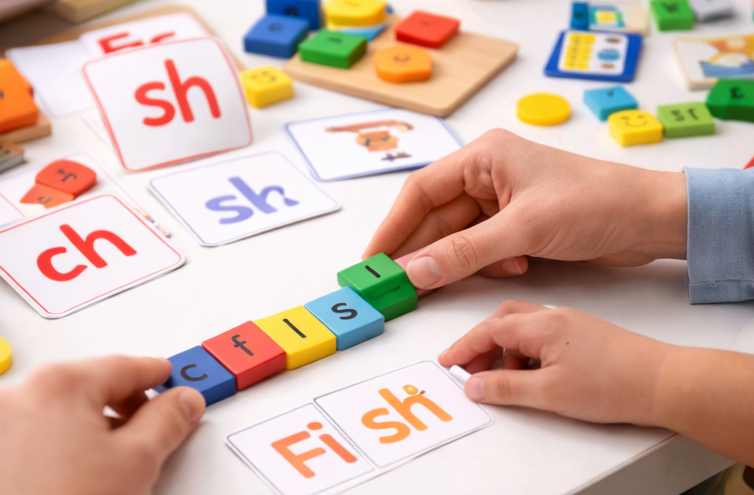

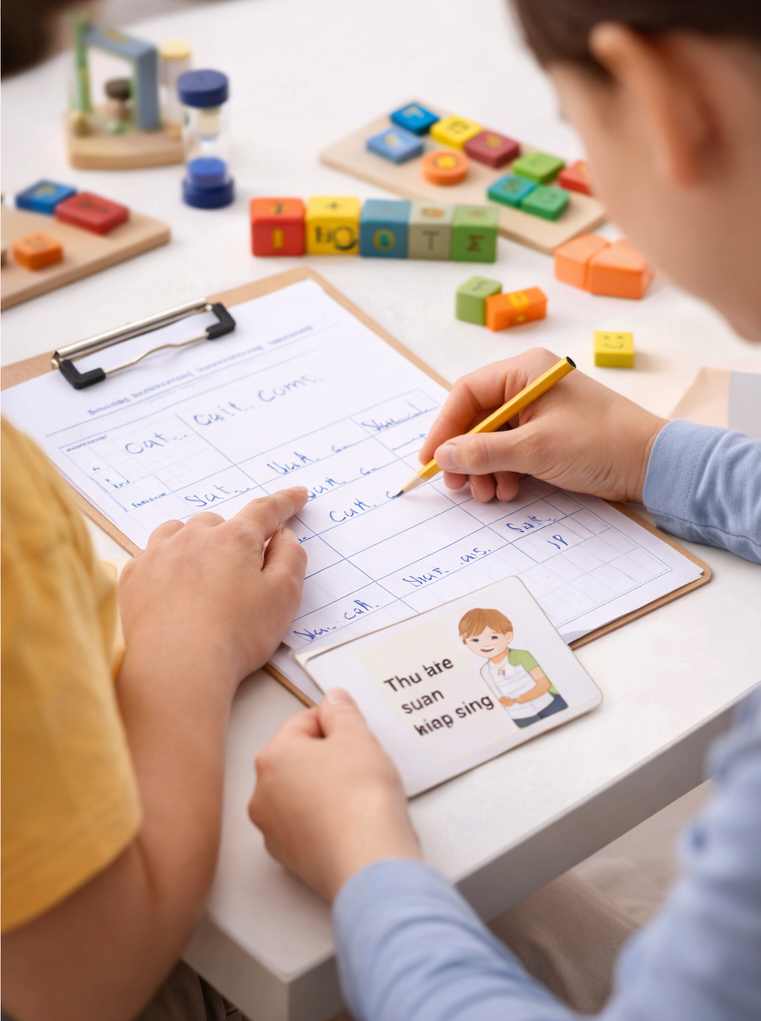
Early Foundation Stage (FS1 – FS2)
The Early Foundation Stage is critical for preparing children for formal schooling. At this stage, we focus on strengthening developmental foundations that support future academic success.
Key Areas of Focus:
-
Pre-literacy skills (letter recognition, phonological awareness)
-
Pre-writing skills (fine motor control, pencil grip, tracing)
-
Number readiness (number recognition, counting concepts)
-
Attention and listening skills
-
Social interaction and classroom readiness
-
Following instructions and routine participation
Our sessions are structured yet play-based to ensure children develop essential readiness skills in a supportive and engaging environment.
Grade 1 (Emerging Learners)
Strengthening Literacy and Numeracy Foundations
Strengthening Literacy and Numeracy Foundations
At Grade 1 level, children begin formal reading, writing, and mathematics instruction. Some learners may struggle to keep pace with classroom expectations.
Our remedial program at this stage focuses on strengthening core foundations to prevent learning gaps from widening.
Academic Focus Areas:
-
Phonics and decoding skills
-
Reading fluency development
-
Basic sentence formation and writing skills
-
Spelling and vocabulary building
-
Number sense and basic arithmetic (addition & subtraction)
-
Understanding math word problems
-
Improving classroom attention and task completion
We provide individualized instruction to ensure children gain clarity, confidence, and consistency in foundational academic skills.
Grade 2 (Developing Learners)
Enhancing Independent Learning and Academic Skills
By Grade 2, children are expected to demonstrate greater independence in reading comprehension, writing structure, and mathematical reasoning.
When learning gaps persist at this stage, early structured intervention becomes essential.
Focus Areas Include:
-
Reading comprehension strategies
-
Paragraph writing and structured expression
-
Grammar and sentence construction
-
Spelling accuracy and vocabulary expansion
-
Multiplication foundations and problem-solving
-
Study skills and organization
-
Independent task completion
-
Improving academic confidence
Our goal is not just skill improvement but helping children become confident and independent learners.
Our Approach to School Remedial Support
At Neurobloom Rehabilitation Centre, our School Remedial Program in Dubai & Sharjah is:
Assessment-Based
Each child undergoes academic screening to identify learning strengths and gaps.
Individualized
We design customized learning plans aligned with school curriculum expectations.
Skill-Focused
We strengthen core concepts before introducing advanced content.
Multisensory-Based
Visual, auditory, and hands-on learning strategies enhance retention.
Confidence-Oriented
We focus on reducing academic anxiety and building self-esteem.
Parent Collaborative
Parents receive regular feedback and home support strategies.

How the Program Works
Step 1 – Academic Screening & Evaluation
Detailed assessment of literacy, numeracy, comprehension, and attention skills.
Step 2 – Individualized Learning Plan
Customized goals tailored to grade level and developmental stage.
Step 3 – Structured Remedial Sessions
One-on-one sessions targeting specific academic gaps.
Step 4 – Progress Monitoring
Regular reviews and skill tracking.
Step 5 – Parent Guidance & Support
Practical strategies to reinforce learning at home.

Why Early Academic Intervention Matters
Addressing learning challenges early:
-
Prevents widening academic gaps
-
Improves classroom confidence
-
Reduces school-related stress
-
Strengthens independent learning
-
Builds long-term academic resilience
Early structured support ensures children remain confident and capable learners.
Why Families Trust Neurobloom
-
Experienced remedial education specialists
-
Stage-specific learning intervention
-
Individualized academic planning
-
Structured, child-friendly environment
-
Transparent progress tracking
-
Convenient access for families in Dubai & Sharjah
We believe every child can succeed with the right academic support.
FAQ
What is the difference between remedial education and tutoring?
Remedial education focuses on identifying and addressing specific learning gaps through structured intervention. Tutoring usually supports homework or revision, whereas remedial programs strengthen foundational skills that may be weak.
At what age can my child start remedial support?
Children can begin remedial support as early as FS1 or FS2 if developmental or pre-academic delays are observed. Early intervention prevents learning gaps from widening in later grades.
How do I know if my child in Grade 1 or Grade 2 needs remedial education?
Your child may benefit if they:
-
Struggle with reading fluency or comprehension
-
Avoid writing tasks
-
Have difficulty understanding math concepts
-
Take longer than peers to complete work
-
Show low academic confidence
An academic screening can provide clarity.
Is this program aligned with UAE school curriculum?
es. Our School Remedial Program in Dubai & Sharjah is aligned with common curriculum frameworks followed in UAE schools (British, CBSE, ICSE, IB foundations, and American curriculum at early grades).
How many sessions per week are recommended?
Typically, 2–3 sessions per week are recommended depending on the child’s learning gaps and academic needs.
Will remedial education replace regular school learning?
No. The program complements school education. It strengthens foundational skills so children can perform better in their regular classroom.
How long does the remedial program continue?
How long does the remedial program continue?
Are parents involved in the process?
Yes. Parent collaboration is an important part of the program. We provide regular updates and home strategies to reinforce learning.