Embracing the unique developmental path of a child on the autism spectrum involves a journey filled with profound love, careful discovery, and occasionally, deeply felt concerns about the future. When a young child struggles to make eye contact, uses repetitive movements to soothe their nervous system, or faces significant barriers in verbal communication, parents naturally begin a searching quest for clarity. Finding the Best Autism Support Centre in Al Majaz means discovering a professional sanctuary that seamlessly bridges advanced clinical science with real, unhurried human empathy. Families deserve a localized resource where neurodivergence is not treated as a collection of deficits to be rigidly erased, but rather as a unique cognitive profile waiting to be understood, nurtured, and holistically supported.
At Neurobloom Rehabilitation Center, we firmly believe that an autistic child’s repetitive actions, sensory avoidance, or intense focus areas are vital forms of functional communication. In many high-stimulus urban environments, a child’s internal nervous system is working at an incredibly high cognitive capacity simply trying to filter out overlapping background noises, harsh lighting, and unpredictable social cues. Providing the community with access to the Best Autism Support Centre in Al Majaz means ensuring that families living throughout the coastal and gateway residential sectors can comfortably access high-trust clinical care, comprehensive multi-specialty evaluations, and customized therapeutic programs without subjecting an already sensitive child to long, exhausting cross-city travel.
Shifting from Family Anxiety to Structured Clinical Strategy
From a rigorous clinical standpoint, creating meaningful progress for a child with Autism Spectrum Disorder (ASD) requires moving past superficial behavioral compliance to deeply understand the underlying neurological drivers of expression. The brain’s neural networks regulate how sensory data is absorbed, how emotional states are modulated, and how social interactions are planned and executed. When a child experiences significant challenges with sensory processing or motor planning, their internal discomfort often manifests as intense emotional dysregulation, sudden meltdowns, or rigid resistance to routine changes.
Our advanced intervention framework at Neurobloom Rehabilitation Center focuses on empowering the individual child by establishing a balanced, regulated baseline within their central nervous system. By combining comprehensive behavioral analytics with gentle sensory integration techniques and robust communication tools, our licensed specialists break down complex development goals into highly rewarding micro-milestones. We actively blend our disciplined, data-driven methodology with a nurturing, neurodiversity-affirming, play-based therapeutic environment. This dual focus ensures that every child feels safe, emotionally co-regulated, and completely motivated to develop practical life skills, self-advocacy tools, and lasting social confidence.
Why Families Choose Neurobloom
Mothers, fathers, and caregivers across the community place their deepest trust in Neurobloom Rehabilitation Center because we completely reject standard, assembly-line intervention plans. We treat every single family’s therapeutic journey with an absolute level of clinical individuality, clinical transparency, and authentic, professional warmth.
- Integrated Multi-Specialty Synchrony: Our advanced facility coordinates the specialized talents of pediatric occupational therapists, speech-language pathologists, and certified behavior analysts under a single, unified care roadmap.
- Sensory-Equipped, Calming Environments: We have intentionally designed our therapeutic spaces to serve as a low-arousal sanctuary, using soothing neutral tones, soft lighting, and specialized integration tools to help sensitive children feel secure.
- Neurodiversity-Affirming Practices: Our core philosophies prioritize building functional communication, emotional autonomy, and real adaptive tools, celebrating a child’s authentic identity rather than forcing robotic compliance.
- Empowering Parent Collaborations: We consider parents our primary partners in growth, providing regular progress updates, actionable home-based strategies, and transparent data tracking to ensure skills generalize beautifully at home.
Understanding the Challenge: Common Signs & Symptoms
Recognizing the early developmental indicators of communication differences, social challenges, or sensory processing variations allows families to access targeted support during critical learning windows. While neurodevelopmental milestones vary from child to child, a persistent pattern of specific behavioral markers across multiple daily settings generally points toward the value of a comprehensive evaluation at the Best Autism Support Centre in Al Majaz.
The clinical presentations of autism and related sensory-communication differences frequently include the following observable characteristics:
- Social Communication Differences: Displaying limited or fleeting eye contact, showing difficulties reading common non-verbal social cues, or exhibiting challenges engaging in reciprocal, back-and-forth social play with peers.
- Expressive and Receptive Language Delays: Demonstrating a noticeable delay in the emergence of functional speech, utilizing repetitive speech patterns (echolalia), or experiencing difficulties processing multi-step verbal instructions.
- Repetitive Behaviors and Stimming: Engaging in continuous self-stimulatory behaviors, such as rhythmic hand-flapping, body rocking, spinning objects, or lining up toys sequentially to achieve internal sensory regulation.
- Intense Sensory Sensitivities: Exhibiting extreme distress or hyper-reactivity toward everyday environmental elements, including loud noises, bright fluorescent lights, specific food textures, or clothing tags.
- Rigid Adherence to Routines: Experiencing profound emotional meltdowns, intense anxiety, or behavioral distress when minor, unexpected changes disturb their established daily schedules or paths.
The Path to Progress: Cultivating Autonomy and Lifelong Confidence
The overarching mission of our specialized, pediatric autism intervention programs is to provide young children with the essential physical, communicative, and emotional regulation strategies they need to interact with the world around them on their own terms. Through carefully graded, play-integrated therapeutic exercises, children learn to identify their internal sensory needs, master functional communication methods, and build the attention span required for shared social routines. As their internal nervous system achieves a healthier baseline of regulation, the internal frustrations that frequently drive explosive meltdowns naturally decrease, replaced by peaceful focus and functional self-advocacy.
Furthermore, our tailored clinical tracks place significant emphasis on fostering positive self-esteem and adaptive independence. By conquering small, sequential goals within our highly encouraging and welcoming environment, children build a genuinely positive association with learning and effort. This newfound confidence reshapes how they connect with family members at home, participate in classroom projects with teachers, and navigate public community settings. Over time, these combined therapeutic milestones create a strong, resilient foundation for long-term emotional well-being and future academic inclusion.
Hyper-Local Convenience: Serving Al Majaz and Coastal Communities
For busy families managing intensive therapy schedules, professional careers, and daily household obligations, preserving a seamless, stress-free routine is vital for maintaining long-term consistency. Neurobloom Rehabilitation Center is strategically positioned along the essential Dubai-Sharjah gateway, providing exceptional geographic accessibility for residents traveling from Al Majaz, the Corniche, Al Taawun, and neighboring coastal communities. Our accessible location allows parents to easily integrate vital pediatric therapy sessions into their weekly family schedules without facing exhausting, hour-long traffic jams across distant emirates.
[ Al Majaz Corniche / Al Majaz 1, 2 & 3 Residential Hubs ] │ ▼ (Direct access via Al Ittihad Road / King Faisal St) [ Vital Dubai-Sharjah Gateway / Al Nahda Area ] │ ▼ (Convenient RTA Parking & Near Stadium/Qusais Metro) [ Neurobloom Rehabilitation Center ]
Our hyper-local setting ensures that expert, multi-specialty pediatric care is always within easy reach:
- Primary Transit Arteries: Easily reachable via major commuter roads like Al Ittihad Road, King Faisal Street, Amman St, and Beirut St, ensuring a entirely smooth and stress-free drop-off and pick-up routine.
- Recreation and Parks: Located just a short drive away from prominent scenic landmarks like Al Majaz Waterfront and Al Nahda Pond Park, providing families with beautiful outdoor environments to let children play or relax before or after their sessions.
- Public Transport Connectivity: Offers close geographical proximity to both the Stadium Metro Station and the Al Qusais Metro Station, supported by ample RTA parking spaces and hassle-free drop-off zones directly by the facility.
- Healthcare and Shopping Hubs: Situated near major regional retail and medical landmarks like the Sahara Centre, City Centre Deira, and NMC Specialty Hospital, making it exceptionally simple for parents to manage grocery shopping and family wellness needs within a unified radius.
The Importance of Early Support
During the first several years of life, a child’s brain exists in a unique state of rapid neuroplasticity—a developmental window where neural pathways are incredibly malleable and highly responsive to structured environmental learning. When social-communication differences or sensory integration gaps are identified and met with specialized care during this vital phase, therapeutic outcomes achieve their maximum potential. Early support allows clinical specialists to guide the development of efficient language pathways and self-regulation techniques, preventing early functional challenges from growing into deep academic frustrations or social isolation in later childhood.
Choosing to wait in the hope that a young child will simply “grow out” of profound speech delays or severe sensory distress often leads to accumulated emotional frustration and a growing sense of alienation as peer groups naturally advance. By stepping in early with evidence-based behavior modifications, positive reinforcement, and specialized speech and occupational therapies, we provide children with the foundational toolsets required to enter formal school environments with genuine confidence. Proactive intervention does not merely help the child build new skills; it brings immense relief to parental anxiety and equips the entire household with clear, predictable strategies that turn daily routines into shared opportunities for growth.
Frequently Asked Questions
1. What therapeutic modalities are integrated into the autism programs at Neurobloom Rehabilitation Center?
Our comprehensive autism intervention programs pull together multiple evidence-based disciplines to support the whole child. Depending on your child’s unique developmental profile, their care plan may combine Applied Behavior Analysis (ABA) for functional life skills and positive behavioral development, Pediatric Occupational Therapy for fine motor skills and sensory integration, and Speech-Language Pathology to build functional communication, articulation, and social pragmatics.
2. How does sensory integration therapy help an autistic child who feels overwhelmed in public places?
Sensory integration therapy directly addresses how the central nervous system registers and reacts to environmental data. Our licensed occupational therapists utilize specialized equipment—like suspended swings, weighted tools, and deep-pressure techniques—to help regulate a hyper-sensitive nervous system. Over time, these structured exercises expand a child’s sensory tolerance, allowing them to process sights, textures, and sounds more efficiently so they can remain calm and regulated in public spaces.
3. My child is completely non-verbal. How can speech therapy help them communicate effectively?
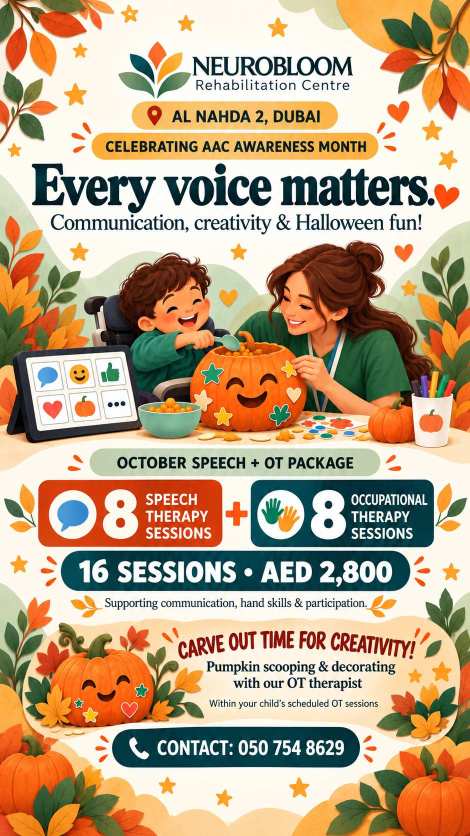
Verbal speech is only one of many ways to communicate. Our speech-language pathologists focus heavily on functional communication, which means we meet your child at their current level and may introduce robust Augmentative and Alternative Communication (AAC) tools. This includes the use of visual picture exchange system (PECS) protocols, communication boards, or high-tech speech-generating digital applications, ensuring your child gains a clear, confident voice to express their needs and thoughts.
4. How often should my child attend sessions to see optimal developmental progress?
Because neurodevelopmental architecture and individual baselines vary significantly, session frequency is determined on an entirely individual basis following a thorough multi-specialty intake evaluation. Clinical specialists typically recommend consistent, structured attendance ranging from two to four sessions per week to maximize the benefits of neuroplasticity. We also emphasize direct parent training so that therapeutic strategies are reinforced every single day at home.
5. Do you offer guidance on transitioning my child into a mainstream school or nursery environment?
Yes, absolutely. Developing real-world school readiness and supporting successful educational inclusion are primary goals of our advanced intervention programs. We structure our therapeutic spaces to simulate small-group classroom dynamics, teaching children essential skills like sitting at a desk, following group instructions, and navigating transitions. We also happily collaborate with local educators and school inclusion coordinators to ensure a smooth transition.
If you have been noticing persistent signs of social communication delays, intense sensory distress, or behavioral challenges in your child, taking early, proactive steps can completely redefine their developmental trajectory. Connect with our dedicated, multi-specialty clinical team today to schedule a detailed initial intake and discover why so many families consider us the Best Autism Support Centre in Al Majaz. Let us work hand-in-hand to provide your child with the lifelong communication tools, self-regulation strategies, and emotional confidence they need to thrive across home, school, and community environments. Visit our website at http://neurobloomrehab.com/ to explore our comprehensive pediatric programs, or speak directly with our admissions specialist to book an evaluation by calling us at +971 50-754-8629.