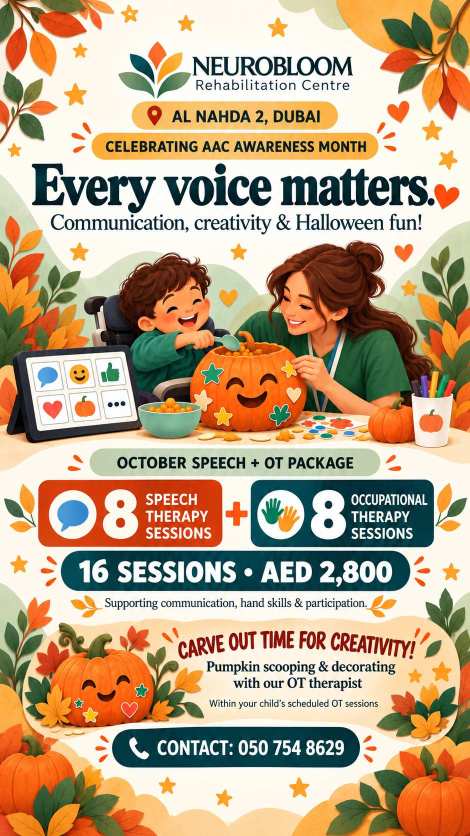
When a young child shows signs of speech delays, sensory processing difficulties, or behavioral hurdles, parents are often flooded with mixed emotions. Navigating information about milestones while wondering if your child needs extra support can feel deeply overwhelming. During these critical early years, finding an experienced, supportive team can change your child’s developmental trajectory. If you are seeking clinical guidance that combines advanced science with compassionate care, finding the Best Early Intervention Centre in Al Nahda Dubai ensures your child receives high-quality therapeutic support without adding stressful commutes to your family’s routine.
Consistent schedules and a comforting environment are the pillars of successful pediatric therapy. Children learn best when their routines are predictable and when clinical interventions integrate naturally into their home and school life. Positioned within the busy northern corridor connecting Dubai and Sharjah, accessing specialized early support eliminates travel fatigue for your little one. This proximity allows your child to arrive at their sessions calm, regulated, and mentally prepared to engage with their therapists.
Choosing a pediatric rehabilitation provider requires finding an alliance that values family partnership as much as objective data. Early child development does not occur in isolation. Real progress happens when speech pathologists, occupational therapists, and behavior specialists collaborate directly with caregivers. By establishing a unified therapeutic circle right in your community, we ensure that every breakthrough achieved in our clinic scales into meaningful independence at home and inside the classroom.
Moving from Diagnostic Stress to Practical Development
From a clinical viewpoint, early intervention is defined by complex neurodevelopmental metrics, standardized baseline scores, and behavioral data. While this clinical framework is essential for structuring highly precise care, we recognize that for a parent, true growth shows up in daily moments. It is the relief of a peaceful morning transition, the pride of seeing your child confidently use functional words to tell you what they need, or the joy of watching them share a toy with a sibling for the first time.
Our modern approach translates advanced developmental theory into these practical, real-world family victories. We avoid high-pressure, repetitive drills that can cause sensory fatigue and anxiety. Instead, our therapists focus on naturalistic, child-centered interventions that stimulate neuroplasticity—the brain’s natural ability to adapt and build new neural pathways. By embedding communication, sensory, and behavioral targets into fun, purposeful play, we help children build internal motivation and self-advocacy alongside their physical and developmental skills.
At Neurobloom Rehabilitation CentreClick to open side panel for more information, we reject one-size-fits-all clinical templates. Every child arrives with an entirely unique sensory profile, a distinct learning pace, and individual emotional motivators. We take the time to map out these nuances to build a customized, supportive framework that respects your child’s dignity.
- Integrated Multi-Disciplinary Experts: Our licensed speech pathologists, occupational therapists, and behavior analysts meet regularly to align all therapy targets for your child.
- Sensory-Safe Environment: Our facility is designed with soft lighting, calming neutral colors, and predictable layouts to reduce sensory overload and behavioral stress.
- Active Parent Coaching: We partner with parents by providing direct strategy training, ensuring you have the tools to maintain your child’s progress outside clinic hours.
- Liaison with Local Classrooms: We coordinate with nursery and primary school educators to ensure clinical Individualized Education Plans (IEPs) translate smoothly into school accommodations.
Understanding the Challenge: Early Signs and Behavioral Symptoms
Childhood milestones progress along a fluid timeline, but persistent challenges in key developmental areas often mean a child’s neurological system requires targeted therapeutic support. If minor language gaps, coordination delays, or sensory sensitivities are left unaddressed during early childhood, they can eventually impact a child’s confidence and social-emotional growth. Common indicators that families and early educators observe include:
- Speech and Language Vulnerabilities: Difficulty producing age-appropriate sounds clearly, noticeable delays in combining words into simple phrases, or struggling to follow multi-step spoken instructions.
- Sensory Processing Variances: Displaying intense distress or over-responsiveness to everyday sensory details like loud unexpected noises, bright lights, hair brushing, or specific food and clothing textures.
- Motor and Bilateral Deficits: Noticeable struggles with tasks requiring finger dexterity, such as manipulating large buttons, using safety scissors, or holding crayons, alongside general balance or coordination issues.
- Social Interaction Barriers: Avoiding eye contact during conversations, showing minimal interest in cooperative play with peers, or experiencing high anxiety during simple changes in daily routines.
The Path to Progress: How Tailored Intervention Shapes the Future
Targeted pediatric therapy gives children the essential communication tools, sensory coping skills, and behavioral strategies they need to overcome developmental hurdles. By breaking down complex actions—like making specific speech sounds or holding a pencil—into small, highly achievable steps, our clinicians ensure children experience regular, motivating successes. We use positive reinforcement to naturally encourage children to explore alternative behavioral choices.
The long-term benefits of a structured early preparation program extend far into a child’s school years and emotional future. As communication skills grow and sensory processing becomes more organized, frustration-driven behaviors decrease significantly. Actions that once felt exhausting become natural habits. This allows your child to focus their energy away from basic survival mechanisms and direct it toward making friends, absorbing new concepts, and exploring their world with complete self-assurance.
Hyper-Local Convenience: The Dubai-Sharjah Gateway
Maintaining clinical consistency requires straightforward geographic access. Families looking for the Best Early Intervention Centre in Al Nahda Dubai will find our services perfectly situated to serve the residential neighborhoods along the northern metro corridor. Strategically positioned on Amman Street, near critical transit lines like Baghdad Street, Beirut Street, and Al Ittihad Road, our location offers a smooth, stress-free drive for families commuting across Al Nahda, Al Qusais, Hor Al Anz, and Al Taawun.
The surrounding community features an exceptional array of family-centric amenities that make balancing therapy appointments with everyday tasks easy. Ample local RTA parking options simplify daily pick-ups and drop-offs. For families utilizing public transportation, the neighborhood provides excellent connectivity via the Stadium Metro Station and Al Qusais Metro Station on the Green Line, supported by extensive local bus routes.
While your child works one-on-one with their clinician in a sensory-safe space, parents can use that time to manage their busy schedules. You can tackle grocery lists at the nearby Sahara Centre or Century Mall, handle family health checkups at local clinics, or spend a peaceful hour relaxing near the green trails of Al Nahda Pond Park. Our close physical proximity to trusted international schools and local nurseries also allows our clinical team to maintain direct communication with your child’s future teachers, ensuring a smooth, unified transition into the classroom.
The Importance of Early Support
When addressing early neurological delays or language vulnerabilities, early childhood intervention is an irreplaceable asset. During the first six years of life, a child’s brain features a remarkable level of neuroplasticity, meaning its neural pathways are uniquely receptive to learning new motor controls, communication patterns, and behavioral habits.
Waiting to see if a child will simply “grow out” of a noticeable delay can allow foundational gaps to widen over time. This often causes early communication or sensory struggles to transform into severe academic and social anxieties when the child enters primary school. Introducing compassionate, play-based therapeutic support early provides your child with the emotional regulation, pre-academic strengths, and self-advocacy tools they need to enter the classroom on a level playing field with their peers.
Frequently Asked Questions
What happens during an initial developmental evaluation?
The initial evaluation is a welcoming, play-based process designed to map your child’s unique developmental profile. A licensed clinician observes your child through semi-structured tasks to assess speech clarity, motor skills, and sensory processing. We also sit down with you to discuss your primary concerns, milestones, and home observations, combining this information to establish an accurate baseline and a custom plan.
How do I know if my child needs speech therapy or occupational therapy?
Speech therapy focuses primarily on communication, targeting vocabulary development, articulation, and language comprehension. Occupational therapy addresses how a child interacts with their physical surroundings, focusing on fine motor control, hand-eye coordination, and sensory regulation. Because these developmental domains frequently overlap, our multi-disciplinary team can guide you toward the ideal balance during your consultation.
Can early intervention programs assist with mainstream school readiness?
Yes, preparing young children to successfully navigate a mainstream classroom environment is a foundational goal of our early intervention frameworks. We target essential group-learning skills, such as sitting independently at a desk, following multi-step teacher commands, managing emotional transitions between activities, and interacting cooperatively with classmates during recess.
How often do parents receive updates regarding clinical progress?
We believe in absolute clinical transparency and maintain open communication with families. Your child’s therapist collects objective data during every individual session to track milestone advancement. We provide formal progress reviews every few months, alongside brief, informal chats at the end of sessions to share daily victories and offer targeted strategies you can easily practice at home.
Investing in your child’s developmental well-being during their most formative years sets a lifelong foundation for academic independence and emotional confidence. At Neurobloom Rehabilitation CentreClick to open side panel for more information, our entire team of passionate clinicians is fully dedicated to providing professional, evidence-based care that honors your family’s unique journey. If you are looking for the Best Early Intervention Centre in Al Nahda Dubai, we welcome you to reach out and experience a clinical space built on empathy, precision, and deep family partnership. Contact us today to schedule your child’s initial comprehensive baseline assessment by visiting our website at http://neurobloomrehab.com/ or speaking directly with a friendly care coordinator at +971 50-754-8629.