Welcome to Neurobloom Rehabilitation Centre (“we”, “our”, or “us”).
Your privacy is very important to us. This Privacy Policy explains how we collect, use, store, and protect your personal information when you visit our website ([https://neurobloomrehab.com](https://neurobloomrehab.com)) or share your details with us through our online forms, advertising platforms (such as Facebook, Instagram, or Google), or in person at our centre.
1. Information We Collect
We may collect the following types of information:
a) Personal Information
Full name
Contact details (phone number, email address, WhatsApp)
Child’s name and age (if voluntarily provided)
Location or preferred branch (Dubai / Sharjah)
b) Automatically Collected Information
When you browse our website, we may automatically collect non-identifiable information such as:
IP address, browser type, device type, and operating system
Pages visited and time spent on our website
Source of visit (e.g., Google, Facebook, Instagram)
This helps us improve user experience and understand how visitors interact with our site.
2. How We Use Your Information
We use the collected information to:
Respond to your enquiries and schedule appointments
Provide child assessments, therapy services, and consultations
Communicate updates, confirmations, and follow-ups
Improve our services and user experience
Share important clinic announcements, promotions, or offers (only with your consent)
Comply with any legal or regulatory requirements in the UAE
3. Data Protection & Security
We take your privacy seriously.
Your information is stored securely and is accessible only to authorized staff.
We implement appropriate physical, electronic, and administrative safeguards to protect against unauthorized access, disclosure, alteration, or misuse.
4. Data Sharing
We do not sell, rent, or trade your personal information to third parties.
However, we may share your data in limited circumstances:
With authorized medical professionals or partners assisting in your assessment or therapy process
With technology service providers (e.g., website hosting, email automation) who help us operate securely — under strict confidentiality agreements
When required by law or government authorities in the UAE
5. Cookies & Tracking Technologies
Our website may use cookies and analytics tools (like Google Analytics or Meta Pixel) to measure traffic and improve our digital marketing performance.
Cookies do not store personal data and can be managed or disabled through your browser settings.
6. Data Retention
We retain your personal information only as long as necessary to fulfill the purposes outlined in this policy or as required by UAE law.
7. Your Rights
You have the right to:
Request access to the personal data we hold about you
Request correction or deletion of inaccurate information
Withdraw your consent for marketing communications at any time
To exercise these rights, please contact us at the details below.
8. Contact Us
If you have any questions about this Privacy Policy or our data practices, please contact:
Neurobloom Rehabilitation Centre
📍 Al Nahda 1, Dubai, United Arab Emirates
📞 +971 50 754 8629
📧 [info@neurobloomrehab.com](mailto:info@neurobloomrehab.com)
🌐 [https://neurobloomrehab.com](https://neurobloomrehab.com)
9. Updates to This Policy
We may update this Privacy Policy from time to time.
All updates will be posted on this page with the revised “Last Updated” date.
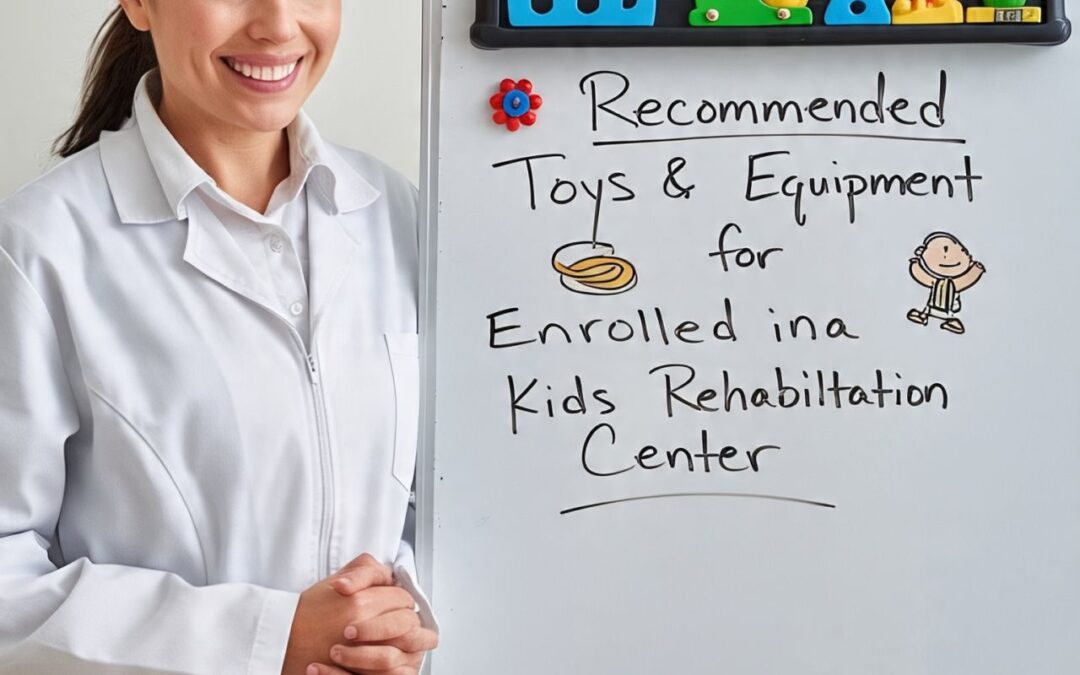
Supporting a child’s development through rehabilitation doesn’t mean putting play on pause—in fact, play is a core part of how children learn, grow, and heal. At a kids’ rehabilitation center, we incorporate therapeutic toys and adaptive equipment that turn exercises into engaging, motivating experiences. Below is a list of recommended toys and equipment that promote physical, cognitive, and sensory development, both in therapy sessions and at home.
🧠 Cognitive & Fine Motor Development Toys
These help with problem-solving, hand-eye coordination, and small muscle control:
Peg Boards – For improving pincer grasp and visual-motor coordination
Lacing Beads & Cards – Develop fine motor control and bilateral hand use
Puzzles (Chunky, 3D, or Wooden) – Enhance problem-solving and spatial awareness
Shape Sorters – Great for early cognitive skills and hand manipulation
Stacking Cups & Rings – Encourage precision, planning, and balance
🏃 Gross Motor & Balance Equipment
Ideal for building strength, posture, and coordination:
Therapy Balls / Peanut Balls – Used for core strength, balance, and posture exercises
Balance Boards & Wobble Cushions – Help with coordination, proprioception, and core stability
Foam Climbing Blocks – Soft structures to encourage crawling, climbing, and muscle activation
Trampolines (Mini with Handle) – Boosts lower body strength and vestibular input
Scooter Boards – Improve upper body coordination, core control, and bilateral movement
Adaptive Scissors – Help kids with limited hand strength
Step Stools with Rails – Support bathroom or kitchen independence
💡 Tips for Choosing Toys & Equipment
Go age-appropriate, but ability-focused
Choose open-ended toys that allow for various uses and creativity
Prioritize safety and durability
Ask your therapist—they may tailor toy recommendations based on your child’s current goals
Final Thought: Every toy becomes a tool when it’s used with purpose. At our rehabilitation center, play is therapy, and therapy is play. The right tools can spark joy, encourage movement, and inspire progress in remarkable ways.
Occupational therapy (OT) helps children develop the skills they need for daily life—from dressing and feeding to focusing in school and managing emotions. While professional therapy sessions are essential, the home environment plays a powerful role in reinforcing progress. With a little creativity and structure, parents can turn ordinary routines into meaningful therapeutic opportunities.
🏠 Why Home-Based OT Activities Matter
Children thrive in familiar settings. Practicing OT strategies at home:
Reinforces therapy goals
Builds confidence in real-life situations
Encourages independence
Strengthens parent-child connection through purposeful play
✋ 1. Fine Motor Skill Boosters
Fine motor skills involve small muscle movements, especially in the hands and fingers. These are essential for tasks like writing, buttoning, and using utensils.
Try These at Home:
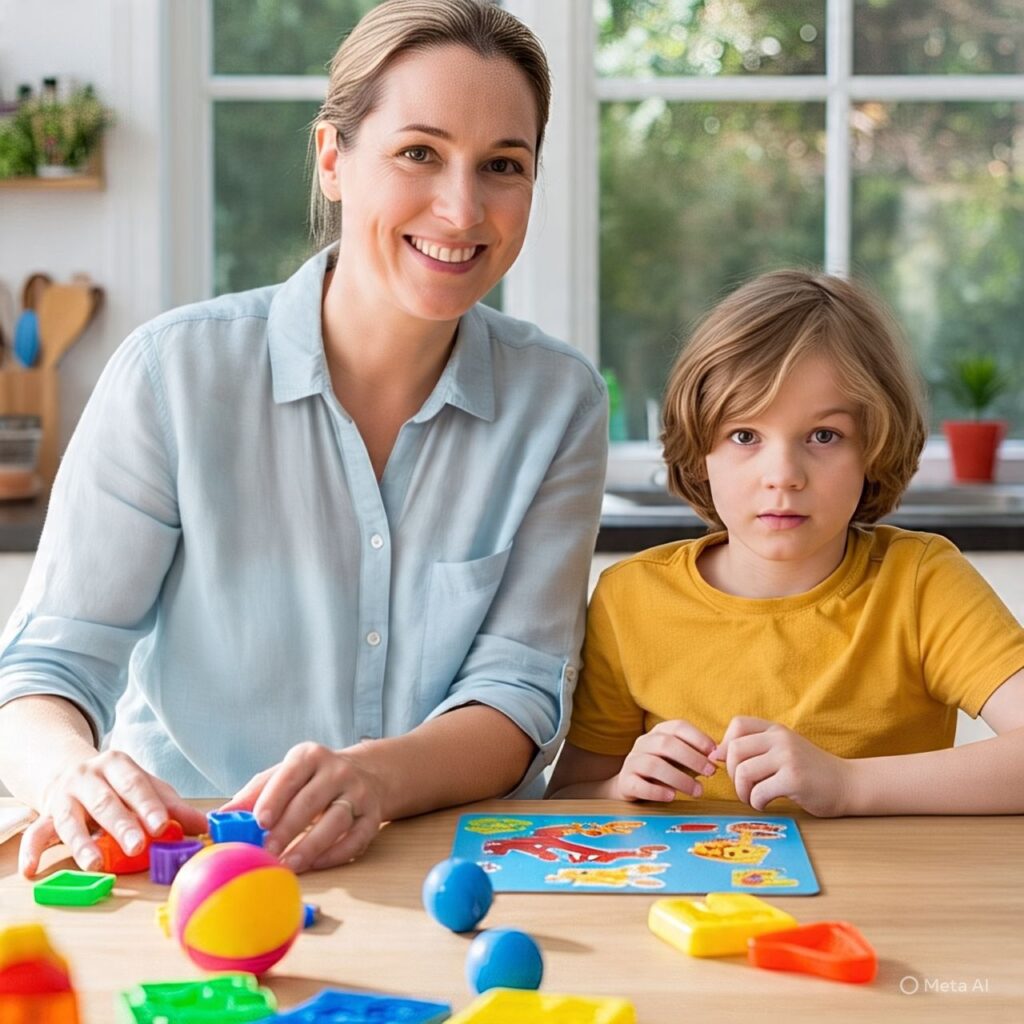
Play dough fun – Roll, pinch, cut with plastic scissors
Clothespin games – Strengthen finger muscles by clipping clothespins to cards
Sticker peeling – Great for hand-eye coordination and pincer grasp
Bead stringing or pasta threading – Practice bilateral coordination
Tearing and folding paper – Prepares hands for writing
🧠 2. Sensory Regulation Activities
Some children may be over- or under-responsive to sensory input. Sensory activities help them stay calm, alert, and organized.
At-Home Ideas:
Sensory bins – Fill a container with rice, beans, or sand and hide small toys inside
Bubble wrap popping – Fun and calming tactile input
Obstacle courses – Climb over pillows, crawl under tables, jump into hula hoops
Swinging or rocking chairs – Great for vestibular input and calming
Weighted lap pads or blankets – Offer deep pressure and comfort
📝 3. Activities of Daily Living (ADLs)
These are life skills your child needs to function independently at home and school.
Practice Through Play:
Dressing dolls or stuffed animals – Practice zippers, buttons, and snaps
Help in the kitchen – Stirring, pouring, cutting soft fruits (with supervision)
Self-care practice – Brushing teeth, combing hair, washing hands
“Race against the clock” games – Make routines fun and timed (e.g., putting on socks)
✍️ 4. Handwriting & Pre-Writing Support
Even if your child isn’t writing yet, you can support early skills through fun pre-writing activities.
Encouraging Activities:
Tracing lines in sand or shaving cream
Drawing shapes on paper or chalkboard
Using vertical surfaces (easels or windows) – Builds shoulder strength and visual tracking
Letter puzzles or magnet boards
🧩 5. Focus and Attention Builders
Kids often struggle to sit still or complete tasks. These activities improve concentration in playful ways.
Focus-Friendly Tips:
“Simon Says” or Freeze Dance – Teaches listening and self-control
Memory matching games – Enhances cognitive skills and focus
Quiet time with calming music or breathing exercises
Visual schedules or picture charts – Help kids follow routines and stay on task
💡 General OT Tips for Parents
Start small – Pick 1–2 activities and make them part of your daily routine
Use everyday objects – No need for expensive tools—spoons, towels, and laundry baskets work great!
Follow your child’s interests – If they love dinosaurs or cars, use those in the activity
Be patient and celebrate effort—progress takes time, and every small step counts
🌟 Final Thought
Occupational therapy doesn’t stop at the clinic. With a little guidance and imagination, your home can become a space for growth, learning, and empowerment. Every meal, game, or chore is a chance to build life skills and confidence.
Need personalized ideas? Reach out to our therapists—we’re here to help you create a daily rhythm that supports your child’s success.
Making the decision to enroll your child in a rehabilitation program can feel overwhelming, emotional, and full of unknowns. But you are not alone—and this step is a courageous, positive move toward helping your child thrive. Before therapy officially begins, there are powerful ways you can support your child (and yourself) through this transition.
This guide offers practical parenting strategies to prepare your family—emotionally, mentally, and logistically—for the journey ahead.
❤️ 1. Start with Acceptance and Positivity
Children are intuitive. Your attitude toward therapy will greatly influence how they feel about it.
What You Can Do:
Focus on strengths—not just the challenges
Talk about therapy as a helpful adventure, not a “fix”
Remind them that everyone learns differently, and that’s okay
Avoid expressing anxiety or guilt in front of them
“We’re going to a place where amazing people will help you get even better at things you already do!”
🧠 2. Educate Yourself First
Before starting therapy, learn about:
Your child’s diagnosis (if one exists) or areas of developmental concern
What therapy types (OT, PT, Speech, Behavioral) involve
The specific goals a rehab center might target
Why it helps: It reduces fear, empowers decision-making, and helps you become a more confident advocate.
🗣️ 3. Have Honest, Age-Appropriate Conversations
Even young children benefit from understanding what’s happening. Keep it simple and positive.
For Younger Kids (2–5):
“You’re going to play with some new friends who will help you grow strong and smart!”
For Older Kids (6+):
“Therapists will help you with things like moving, talking, or learning. They’ll work with you so that things feel easier.”
Tips:
Show pictures of the center or therapists if available
Read children’s books about therapy or doctor visits to normalize it
🏠 4. Start Light Home Routines
Introducing therapy-like activities at home can make the transition smoother.
Try simple activities such as:
Sensory play (e.g., rice bins, water play)
Movement games like crawling, jumping, and balancing
Reading together to boost language and bonding
Practice daily routines like brushing teeth, buttoning clothes, or tidying up toys
Even 10–15 minutes a day of these focused interactions builds familiarity with therapeutic structure.
📅 5. Establish Consistent Routines
Therapy thrives on structure. Begin setting regular wake-up, mealtime, and quiet time routines.
Why it matters: Predictable schedules help reduce anxiety and improve cooperation when therapy begins.
🤝 6. Connect with the Rehab Center Early
Before enrollment:
Ask for an orientation or facility tour
Meet the team or therapist (if possible)
Share your child’s medical, developmental, and emotional background
Ask how you can prepare your child based on their approach
This creates a collaborative relationship and ensures your child’s needs are better understood from day one.
🧘 7. Prepare Emotionally—For You
It’s natural to feel nervous, guilty, or uncertain. But remember: seeking help is strength, not failure.
Self-Care Tips:
Talk to a trusted friend, counselor, or support group
Keep a journal to track your thoughts and your child’s progress
Celebrate this decision—you’re giving your child a gift
✨ Final Thought
Rehabilitation is not the end of a road—it’s the beginning of a brighter, supported journey. Preparing your child (and yourself) before therapy begins lays the foundation for lasting growth, trust, and transformation.
Our team is here to guide you through every step. If you’re considering enrolling your child, contact us for an orientation or one-on-one parent consultation. Let’s walk this path together.
Disability isn’t something to pity or fear—it’s a part of the rich human experience. Children with disabilities are not defined by their challenges but by their abilities, potential, and humanity. As a community, we all share the responsibility to create an environment where every child feels valued, seen, and included.
Raising awareness about disabilities—especially among children and families—helps build a more empathetic, inclusive society. Here’s how we can start.
🌍 Why Disability Awareness Matters
Promotes Inclusion: When children learn that everyone has different strengths and challenges, they become more accepting and inclusive.
Reduces Stigma: Awareness breaks down myths and encourages understanding instead of fear or awkwardness.
Empowers Kids with Disabilities: When they’re accepted and included, children are more likely to thrive and participate fully in community life.
Builds Stronger Communities: Inclusive communities are kinder, more cooperative, and more innovative.
🧠 What Is Disability Awareness?
Disability awareness means understanding that disabilities can be visible (like using a wheelchair) or invisible (like autism or learning differences). It’s about:
Respecting individual differences
Using inclusive language
Offering support, not sympathy
Encouraging participation rather than exclusion
🧒 Teaching Children About Disabilities
Kids are naturally curious and open-minded. The earlier we introduce them to the concept of disabilities, the more likely they are to grow up accepting and supportive.
Tips for Parents and Teachers:
Use Books and Videos: Share stories that feature characters with disabilities in positive, everyday roles
Encourage Questions: Create a safe space for kids to ask and learn without judgment
Model Inclusive Language: Say “a child with autism” instead of “an autistic child” (person-first language)
Promote Play and Friendship: Encourage children to play and interact with kids of all abilities
💬 How to Talk to Children About Disabilities
Keep it simple, honest, and respectful.
Examples:
“Some kids use wheelchairs to help them move around, just like we use bikes or scooters.”
“Everyone learns differently—what’s easy for you might be harder for someone else, and that’s okay.”
“We’re all unique. That’s what makes the world interesting.”
🏫 What Communities Can Do
1. Host Inclusive Events Organize storytimes, sports days, or art workshops that welcome children of all abilities.
2. Offer Disability Awareness Programs Invite guest speakers, therapists, or parents to schools and community centers to share real experiences.
3. Ensure Accessibility Make playgrounds, schools, and public spaces usable for kids with mobility, sensory, or learning differences.
4. Celebrate Differences Use events like International Day of Persons with Disabilities (Dec 3) to highlight stories of resilience and achievement.
👪 The Role of Families and Caregivers
Families of children with disabilities are often their biggest advocates. Community support means:
Listening without judgment
Offering help when needed
Celebrating milestones together
Creating space for their voices in community decisions
🌟 Final Thought
Disability awareness is not just a message—it’s a movement. By teaching our children to see ability, not just disability, we build a community that truly leaves no one behind. Every child deserves to be included, respected, and celebrated—just as they are.
Let’s raise a generation of kids who don’t just tolerate differences, but embrace them.
When a child struggles to express their thoughts, find the right words, or speak clearly enough to be understood, it impacts far more than just their communication. For a young child, speech is the primary bridge to the world around them—it is how they make friends on...
The sensory landscape surrounding Mamzar Towers can be profoundly overwhelming for a child experiencing behavioral or emotional regulation challenges. Between the echoes of the nearby shoreline, the constant movement along the residential avenues, and the buzzing...
Realizing that your child isn't hitting their milestones or seems to interact with their world differently can bring up a profound wave of worry, isolation, and quiet exhaustion for a family. You might observe your little one playing alone while peers group together,...
Realizing that your child isn't hitting their milestones or seems to interact with their world differently can bring up a profound wave of worry, isolation, and quiet exhaustion for a family. You might observe your little one playing alone while peers group together,...
When a young child misses their developmental milestones or interacts with their world in an unexpected way, families often find themselves on a stressful, uncertain journey. You might notice your child lagging behind in their first words, experiencing overwhelming...
Watching your child face persistent hurdles with daily activities that seem to come easily to their peers can be a deeply isolating and emotional experience for a parent. You might notice your little one struggling to grip a pencil correctly, becoming completely...
Pediatric Therapy Equipment and Therapeutic Toys: Enhancing Motor Development & Sensory Growth When supporting a child's developmental milestones, specialized therapy equipment and clinical-grade toys play a vital role in turning structured therapeutic exercises...
Expressive Language Therapy in Dubai: Empowering Clear Communication & Confidence Communication is the vital bridge connecting a child to their family, peers, and academic environment. While some children easily find the right words to share their experiences,...
Childhood Trauma Therapy in Dubai: Healing, Resilience, and Family Support Every child deserves to grow up feeling safe, secure, and understood. However, when young minds encounter distressing events—such as acute accidents, severe family transitions, loss, medical...
Motor Planning Activities for Children: Building Coordination and Confidence Motor planning (praxis) is the complex neurological process that allows a child to conceive, plan, sequence, and execute a novel physical movement. When children experience difficulties with...
Leading Speech and Language Therapy Center in Dubai: Empowering Clear Communication & Confidence Communication forms the foundation of a child’s emotional development, academic growth, and social connection. When a child struggles to express their thoughts, speak...
Pediatric Therapy in Dubai: A Comprehensive Parent’s Guide & Action Plan Every child’s developmental journey is uniquely their own, filled with exciting milestones, growing curiosity, and new discoveries. However, when parents notice delays in speech development,...
Fostering Independence: Independent Living Skills Therapy for Children in Dubai & Sharjah Every parent dreams of watching their child grow into a confident, self-reliant individual capable of navigating daily life with ease. From the foundational morning routine...
Sensory Integration Clinics in Dubai: A Parent's Guide & Practical Action Plan Every child interprets the surrounding environment through an intricate network of sensory pathways. For some children, everyday sights, sounds, textures, and movements can trigger...
Pediatric Behavioral Enrichment & Therapy in Dubai: Parent Guide for Al Barsha Families Every child possesses unique developmental potential, but navigating behavioral differences, social communication delays, or learning difficulties often requires structured...
Best Occupational Therapy Clinic in Dubai: Parent Checklist & Action Plan Supporting a child who struggles with fine motor skills, sensory processing, visual-motor integration, or everyday self-care routines requires finding the right clinical partner....
Have Questions About Child's Development or Our Services?
Chat with our specialists to get more information about child's needs, available assessments, and therapy services. There's no obligation — we're happy to answer your questions.