Therapy Programs for Speech and Motor Delay
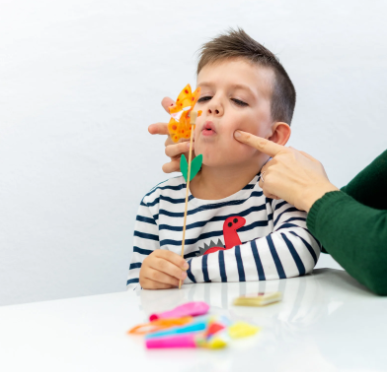
Speech and motor skills are vital building blocks in a childs overall development. When children face delays in these areas it can affect their ability to learn communicate and participate in daily activities. The good news is that with early therapy programs designed specifically for speech and motor delays children can make significant progress and gain confidence. In Dubai child rehabilitation centres provide specialized therapy programs that help children overcome these challenges and achieve their …
Understanding Speech Delay
Speech delay occurs when a child has difficulty developing age appropriate speech and language skills. This can include challenges with pronunciation vocabulary sentence structure or understanding instructions. Early intervention with speech and language therapy can greatly improve communication skills and help children succeed academically and socially.
Understanding Motor Delay
Motor delay refers to challenges in developing fine motor skills such as writing holding objects or using utensils and gross motor skills such as walking balance or coordination. Motor delays can limit a childs independence and participation in play or school activities. Therapy programs that include occupational and physical therapy are effective in addressing these issues.
Therapy Programs for Speech and Motor Delay
Speech and Language Therapy
This program focuses on improving vocabulary sentence formation clarity of speech and overall language comprehension. It also teaches children how to express themselves more effectively in school and social settings.
Occupational Therapy
Occupational therapy helps children strengthen fine motor skills improve hand eye coordination and develop self help abilities like dressing and feeding. It lays the foundation for independence and school readiness.
Physical Therapy
Physical therapy supports gross motor development by improving muscle strength balance posture and coordination. This ensures children can walk run play and participate in physical activities with confidence.
Early Intervention Programs
For children with combined speech and motor delays early intervention programs offer a holistic approach. These programs integrate speech therapy occupational therapy and physical therapy to target multiple developmental needs at the same time.
Why Early Therapy is Important
Early therapy programs not only address delays but also boost self confidence improve learning ability and prepare children for future success. Parents who seek therapy early give their child the best opportunity to thrive.
School Preparation Therapy for Children with Delays
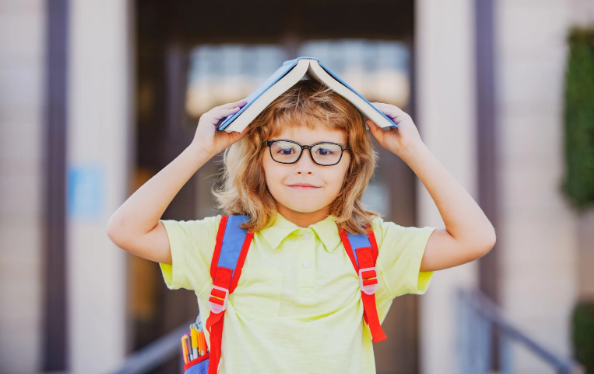
Starting school is an exciting milestone for every child but for those with developmental delays it can also bring challenges. School readiness involves more than just knowing numbers and letters. It requires skills in communication, behavior, social interaction, motor coordination, and self help. For children who face delays in these areas, school preparation therapy can make a significant difference. At child rehabilitation centres in Dubai, school preparation therapy is designed to build the found…
What is School Preparation Therapy
School preparation therapy is a set of therapeutic interventions that support children in acquiring the skills necessary to succeed in a school environment. It addresses developmental gaps and ensures children are ready for academic and social participation.
Types of School Preparation Therapy
Speech and Language Therapy
Children with speech or language delays may struggle to follow classroom instructions or express themselves. Speech therapy helps children build vocabulary, improve sentence structure, and communicate confidently with teachers and peers.
Occupational Therapy
Occupational therapy develops fine motor and self help skills that are essential for school tasks. From holding a pencil and writing to dressing and eating independently, occupational therapy prepares children to manage classroom activities and daily routines.
Behavioral Therapy
Adjusting to a structured school environment requires focus, attention, and emotional regulation. Behavioral therapy equips children with strategies to manage behavior, build self control, and develop social skills that allow them to thrive in group settings.
Physical Therapy
Some children face delays in gross motor skills such as balance, posture, or coordination. Physical therapy helps strengthen these skills so children can participate in physical education, play activities, and classroom seating with confidence.
Early Intervention Programs
For children with significant developmental delays, early intervention programs provide a comprehensive approach by combining speech, occupational, behavioral, and physical therapies. These programs ensure children are supported in all areas of development before entering school.
Why School Preparation Therapy Matters
School preparation therapy gives children the tools to adapt and succeed in a structured learning environment. By addressing challenges early, it boosts confidence, independence, and academic readiness. Parents who opt for therapy provide their children with a smoother transition into school life.
Pediatric Therapy for Milestone Acceleration
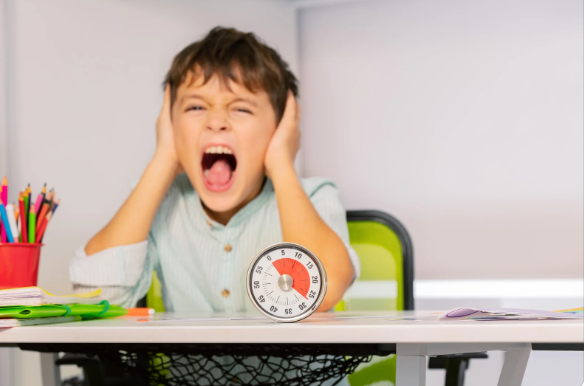
Every child grows and learns at their own pace but sometimes developmental milestones like walking, talking, or using fine motor skills may take longer to achieve. For parents this can be a concern especially when these milestones are delayed compared to peers. Pediatric therapy plays a vital role in supporting children to achieve these milestones faster and with greater confidence. At child rehabilitation centres in Dubai specialized pediatric therapies are designed to help children reach their developmental goals and prepare them for success in school and life.
What is Pediatric Therapy
Pediatric therapy is a specialized form of rehabilitation designed for children from infancy through adolescence. It focuses on improving a childs physical, cognitive, communication, and social skills. These therapies are tailored to each childs unique needs and help bridge developmental gaps.
Types of Pediatric Therapy for Milestone Acceleration
Speech and Language Therapy
This therapy helps children improve communication skills including speech clarity, vocabulary, and understanding language. Early speech therapy ensures children can express themselves confidently which directly impacts academic and social growth.
Occupational Therapy
Occupational therapy focuses on building fine motor skills, sensory processing, and independence in daily tasks. Activities like writing, dressing, and eating become easier with guided therapy which accelerates important milestones needed for school readiness.
Physical Therapy
Physical therapy supports children in developing gross motor skills such as walking, running, balance, and coordination. By strengthening muscles and improving mobility, children can achieve their physical milestones more quickly and safely.
Behavioral Therapy
For children who face challenges in focus, behavior, or emotional regulation, behavioral therapy offers strategies that build self control and positive interactions. This helps children actively participate in learning and social settings.
Early Intervention Programs
Early intervention combines different therapies to provide a comprehensive plan for children with developmental delays. These programs ensure that no milestone is left unsupported and give children the best possible start.
Why Pediatric Therapy Matters
By addressing developmental concerns early, pediatric therapy helps children build skills faster, boosts confidence, and prepares them for long term success. Parents who choose early therapy give their child the advantage of reaching milestones with greater ease and joy.
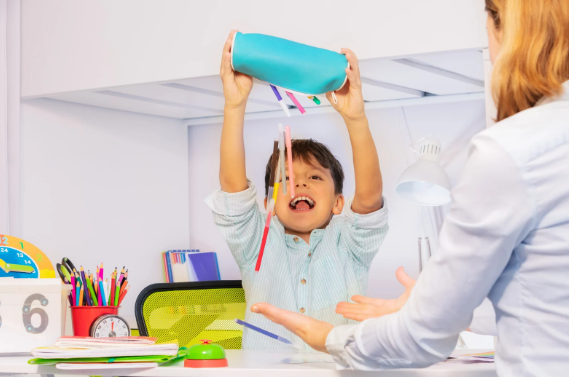
Therapies to Support Early Childhood Education Success
Early childhood education is more than learning numbers and alphabets. It lays the foundation for a childs overall growth in communication, behavior, emotional well being, and learning skills. For children with developmental delays or special needs, therapies play a vital role in supporting their success in early education programs. At child rehabilitation centres in Dubai, specialized therapies are designed to enhance learning and prepare children for school and beyond.
Speech and Language Therapy
One of the most important areas of early development is communication. Speech and Language Therapy helps children improve their ability to understand and use language. This therapy is essential for children who face delays in speech, have difficulty expressing themselves, or struggle with understanding instructions. Strong communication skills are directly linked with better classroom performance and social interaction.
Occupational Therapy
Occupational Therapy focuses on developing the fine motor, sensory, and self help skills required for daily life and learning. For young children, this can include improving hand eye coordination, sitting tolerance, writing readiness, and self care skills. By addressing these areas early, occupational therapy prepares children for the structured environment of school and enhances independence.
Behavioral Therapy
Many children face challenges in managing emotions, attention, or behavior. Behavioral Therapy provides structured techniques to help children regulate emotions, build focus, and adopt positive social behaviors. Early intervention in behavior management ensures that children can actively participate in classroom learning and group activities.
Early Intervention Programs
Early Intervention combines multiple therapies such as speech, occupational, and behavioral therapy to address developmental delays in a holistic way. These programs are designed for children from infancy to early school years and have been proven to boost school readiness and long term educational outcomes.
Why Early Therapy Matters
Starting therapy at the earliest stages of development not only improves skills but also builds confidence in children. Parents who seek therapy early give their child the best chance to succeed academically and socially.
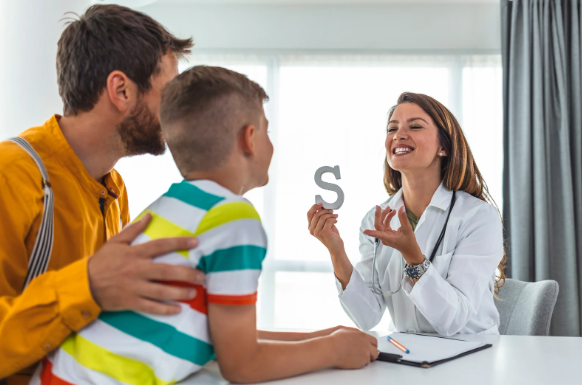
Language Therapy for Bilingual Children
Growing up in a bilingual environment has many advantages for children. It helps them connect with their culture, communicate with a wider community, and strengthen cognitive skills. However, some children may face challenges in learning and using two languages effectively. Language therapy can provide support for bilingual children to ensure healthy communication development in both languages.
Challenges Faced by Bilingual Children
Bilingual children may sometimes mix words from two languages, have smaller vocabularies in each language compared to monolingual peers, or take longer to form sentences. Some may also struggle with grammar, pronunciation, or switching between languages depending on the situation. These difficulties are normal but can sometimes lead to concerns about speech and language development.
How Language Therapy Helps
Language therapy supports bilingual children by focusing on building communication skills in a way that respects both languages. Therapists use strategies that strengthen the child’s ability to understand and express themselves. Approaches include
- Identifying strengths and needs in both languages
- Encouraging vocabulary growth in daily routines
- Using stories, songs, and play activities in both languages
- Teaching strategies for clear sentence formation
- Helping children switch smoothly between languages in different settings
Benefits of Language Therapy for Bilingual Children
- Builds confidence in using both languages effectively
- Improves vocabulary, grammar, and sentence structure
- Enhances social communication with peers and family
- Supports academic success by improving comprehension and expression
- Encourages cultural identity and stronger family connections
Role of Parents and Caregivers
Parents and caregivers play an important role in supporting bilingual language development. Reading stories, singing songs, and encouraging conversation in both languages helps children grow their skills. Creating a positive environment for language use reduces pressure and allows children to enjoy learning both languages.
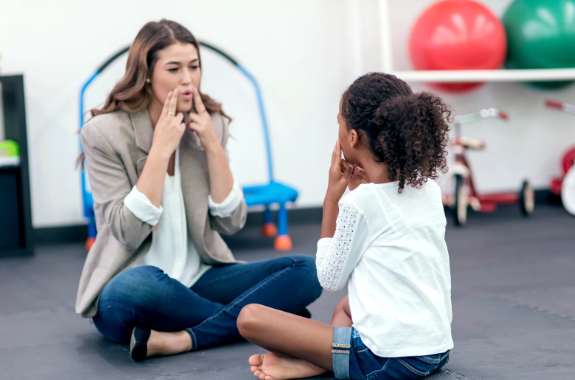
Expressive and Receptive Language Therapy for Kids
Language is an important part of how children learn, play, and connect with the world around them. Some children may struggle with language development, which can affect how they understand others or express themselves. Expressive and receptive language therapy focuses on helping children build these important skills for better communication and social interaction.
What is Receptive Language
Receptive language is the ability to understand what others are saying. This includes following directions, understanding questions, and recognizing the meaning of words or sentences. Children with receptive language difficulties may seem like they are not listening, may have trouble following instructions, or may find it hard to understand new concepts.
What is Expressive Language
Expressive language is the ability to use words, sentences, and gestures to communicate thoughts, needs, and feelings. Children with expressive language challenges may have a limited vocabulary, struggle to form sentences, or find it difficult to tell stories and share ideas.
How Therapy Helps
Language therapy is tailored to the individual needs of each child. Speech and language therapists use different techniques such as
- Play based activities to make learning fun and engaging
- Visual aids and pictures to support understanding
- Storytelling and role play to encourage expression
- Repetition and modeling to strengthen language patterns
- Interactive games to improve both comprehension and expression
Benefits of Expressive and Receptive Language Therapy
- Improves understanding of spoken language
- Builds vocabulary and sentence structure
- Encourages confident self expression
- Enhances social communication skills
- Supports success in school and everyday life
Role of Parents and Caregivers
Parents play a very important role in supporting language development. Simple steps such as reading with the child, encouraging conversations, asking open ended questions, and giving praise for efforts can make therapy more effective. Consistent practice at home helps children make faster progress.