
Speech Therapy for Childhood Apraxia of Speech
Childhood Apraxia of Speech (CAS) is a motor speech disorder that makes it difficult for children to plan and coordinate the precise movements needed for speaking. Unlike other speech delays, the challenge in CAS lies not in muscle weakness but in how the brain sends signals to the speech muscles.
Early identification and therapy are important in helping children with CAS develop clear and confident communication. Speech therapy plays a vital role in improving speech skills and supporting overall language development.
What is Childhood Apraxia of Speech
CAS is a neurological condition where children know what they want to say but have trouble forming the right sounds and words. They may struggle with the sequence of sounds, making speech unclear and hard to understand.
Signs of CAS in Children
- Limited speech compared to children of the same age
- Difficulty imitating sounds or words
- Speech that is inconsistent, sometimes clear and other times unclear
- Groping movements of the mouth when trying to talk
- Trouble with longer or more complex words
How Speech Therapy Helps Children with CAS
Speech therapy for CAS is highly individualized and structured. A speech therapist uses techniques that focus on repeated practice and consistent feedback. Key approaches include
Repetition of sounds, syllables, and words to strengthen motor planning
Visual and tactile cues to help children coordinate mouth movements
Slowing down speech for better accuracy
Gradual progression from simple to complex words and phrases
Therapy sessions are usually frequent and intensive, as children with CAS need more practice to develop clear speech. Family involvement is also encouraged so that practice can continue at home.
The Role of Parents
Parents play a very important role in supporting children with CAS. Practicing speech exercises at home, encouraging communication, and being patient with progress are key factors that enhance therapy outcomes.
Daily Living Skills Training for Children with Disabilities
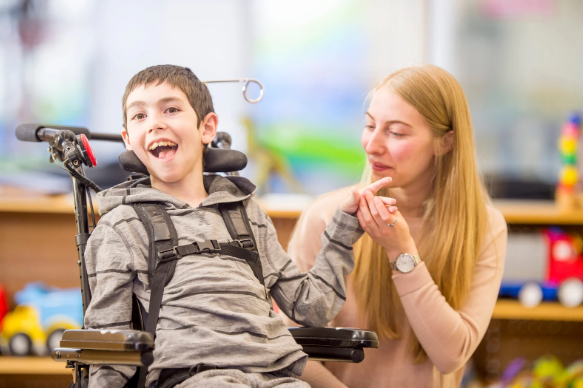
Daily living skills are the everyday activities that help children become more independent and confident in their routines. For children with disabilities, learning these skills can be challenging, but with the right training and support, they can achieve greater independence and improve their quality of life.
What are Daily Living Skills
Daily living skills include activities such as eating, dressing, bathing, grooming, using the toilet, managing money, and completing simple household tasks. These skills are important because they allow children to take care of themselves and participate actively in daily life.
Why Daily Living Skills Training Matters
Children with disabilities may face difficulties in learning or performing daily tasks due to physical, cognitive, or developmental challenges. Training in daily living skills helps them
- Develop independence
- Improve self confidence
- Reduce reliance on others
- Build a sense of responsibility
- Prepare for future transitions to school, community, and adulthood
How Training is Provided
Daily living skills training is usually tailored to the individual needs of each child. Therapists and educators use practical, hands on methods to teach skills in real life situations. Some effective approaches include
- Breaking tasks into smaller steps
- Using visual aids and demonstrations
- Practicing skills in everyday environments
- Repetition and positive reinforcement
- Involving family members in practice
Examples of Skills Taught
- Dressing independently with simple clothing choices
- Brushing teeth and basic hygiene routines
- Preparing simple snacks and drinks
- Learning how to safely cross the street
- Managing pocket money or simple purchases
The Role of Parents and Families
Family support is essential in reinforcing daily living skills. Parents can encourage independence by allowing children to try tasks on their own, providing guidance, and celebrating progress. Consistency at home helps children apply what they learn during training.
Activities to Improve Motor Planning in Children
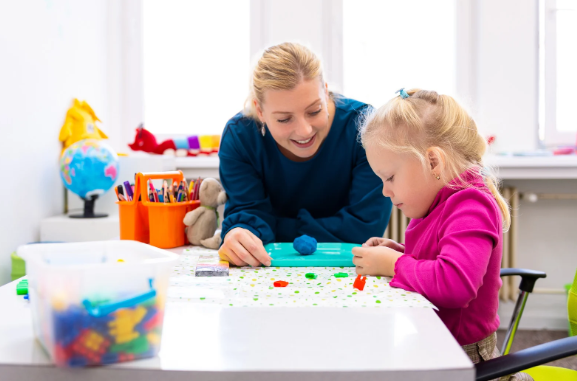
Motor planning is the ability of a child to think through and carry out a sequence of movements to complete a task. It is an important skill that supports learning, play, and daily activities. Some children may find it difficult to organize and perform movements smoothly, which can affect their independence and confidence.
Understanding Motor Planning
Motor planning involves the brain working with the body to plan, organize, and execute physical actions. For example, riding a bicycle, tying shoelaces, or playing on a playground requires motor planning skills. Children who struggle with motor planning may appear clumsy, avoid physical tasks, or take longer to learn new movements.
Why Motor Planning is Important
Strong motor planning skills help children
- Participate in sports and play
- Complete self care tasks such as dressing or brushing teeth
- Improve coordination and balance
- Develop problem solving abilities
- Build self confidence
Activities to Improve Motor Planning in Children
The following activities are helpful in developing motor planning skills through fun and practice
- Obstacle Courses Encourage children to climb, crawl, jump, and balance through simple courses made with household items
- Simon Says This classic game helps children follow directions, sequence actions, and control movements
- Building with Blocks or Legos Improves hand eye coordination and encourages creative planning
- Dancing and Action Songs Involves following rhythms and steps, which helps with sequencing and timing
- Pretend Play Activities like cooking with toy utensils or role play help children act out and plan steps
- Puzzles and Crafts Cutting, pasting, and assembling puzzles require children to think ahead and plan actions
Role of Parents and Caregivers
Parents can support motor planning development by encouraging children to try new activities, providing safe opportunities for movement, and praising effort rather than just results. Repetition and consistency help children gain confidence and gradually improve their skills.

Therapy for Sensory Processing Challenges in Toddlers
Sensory processing is the way the nervous system receives and responds to information from the senses. For toddlers, this includes how they experience touch, sound, sight, taste, smell, and movement. Some children may find it difficult to process these sensations, which can affect their behavior, learning, and daily activities. This is known as sensory processing challenges.
Understanding Sensory Processing Challenges
Toddlers with sensory processing difficulties may be overly sensitive or under responsive to certain stimuli. For example, some may cover their ears at everyday sounds, while others may seek extra movement and activity. These challenges can sometimes lead to difficulties in communication, play, and participation in family or social routines.
Signs of Sensory Processing Challenges in Toddlers
- Overreacting to sounds, textures, or bright lights
- Avoiding certain foods because of texture
- Seeking constant movement such as spinning or jumping
- Trouble with balance or coordination
- Difficulty calming down after sensory overload
How Therapy Helps Toddlers with Sensory Challenges
Therapy focuses on helping toddlers gradually adapt to different sensations in a safe and supportive environment. Occupational therapists often use sensory integration techniques to improve how the brain processes sensory information. Some effective methods include
Activities that involve swinging, jumping, or climbing to improve balance and body awareness Play based exercises using textures like sand, water, or playdough Structured routines to provide predictability and comfort Gradual exposure to sounds or lights to reduce sensitivity Parent guidance on creating a sensory friendly home environment
The Role of Parents
Parents play a central role in supporting toddlers with sensory processing challenges. Encouraging play activities, following consistent routines, and working closely with therapists can help toddlers feel more secure and capable. Simple changes at home, like using soft lighting or providing quiet spaces, also make a big difference.
Self Regulation Techniques from Occupational Therapy
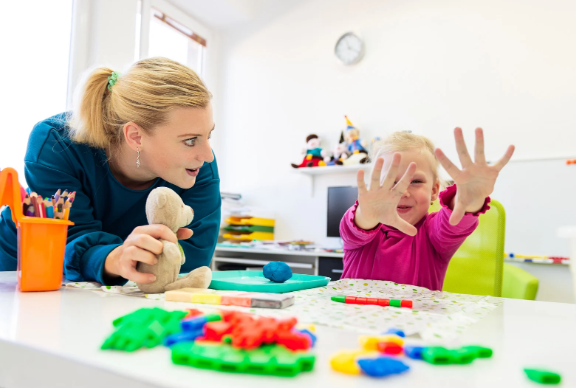
Self regulation is the ability of children to understand and manage their emotions, behavior, and body responses in different situations. It helps them stay calm, focused, and able to participate successfully in daily activities. Some children find self regulation difficult, which can affect learning, play, and social interactions. Occupational therapy offers effective techniques to support children in building these important skills.
Why Self Regulation is Important
Children who develop self regulation skills are better able to
- Manage stress and frustration
- Pay attention in school and during activities
- Control impulses and behavior
- Build positive relationships with peers and adults
- Adapt to changes and new situations
Common Challenges with Self Regulation
Children with sensory processing differences, attention difficulties, or developmental delays may struggle with
- Frequent emotional outbursts
- Trouble calming down after excitement or stress
- Difficulty staying focused on tasks
- Overreaction to small frustrations
Self Regulation Techniques from Occupational Therapy
Occupational therapists use structured approaches to help children practice and strengthen self regulation skills. Some commonly used techniques include
- Deep Breathing Exercises Teaching children to take slow, deep breaths to calm their body
- Movement Breaks Activities like jumping, stretching, or walking to release energy and improve focus
- Sensory Tools Using fidget toys, weighted blankets, or noise cancelling headphones to manage sensory input
- Visual Supports Charts and schedules that show children what to expect, reducing anxiety
- Mindfulness Activities Simple exercises like listening to calming sounds or practicing stillness
- Emotional Check Ins Helping children label and talk about their feelings to understand emotions better
Role of Parents and Caregivers
Parents play an important role by practicing self regulation techniques at home, modeling calm behavior, and providing consistent routines. Encouraging children to use these strategies in daily life makes them more effective.
Occupational Therapy to Improve Focus in Children
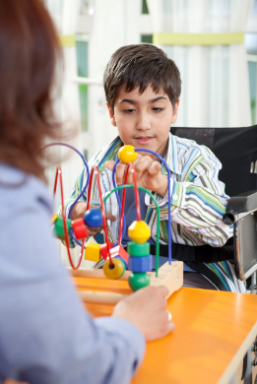
Focus and attention are important skills that help children succeed in learning, play, and social activities. Some children may struggle to stay focused, which can affect their ability to follow instructions, complete tasks, or engage in group settings. Occupational therapy offers strategies and activities that support children in building stronger attention skills.
Why Focus is Important for Children
The ability to focus allows children to
Listen and follow directions
Complete schoolwork and homework
Participate in games and group activities
Develop problem solving skills
Build confidence in learning and daily life
Children who have difficulties with attention may
- Become easily distracted
- Have trouble sitting still during tasks
- Struggle to complete assignments
- Forget instructions quickly
- Avoid activities that require sustained effort
How Occupational Therapy Helps Improve Focus
Occupational therapists use practical and engaging methods to strengthen attention and concentration. Some common approaches include
- Sensory Activities Providing activities like swinging, jumping, or using sensory tools to prepare the body and mind for focus
- Structured Routines Creating predictable schedules that help children know what to expect and stay on task
- Task Breakdown Teaching children to complete tasks step by step rather than all at once
- Movement Breaks Allowing short breaks for stretching or walking to refresh attention
- Visual Supports Using charts, timers, or visual cues to guide focus
- Mindfulness and Breathing Exercises Encouraging children to calm their mind and body before starting tasks
Role of Parents and Teachers
Parents and teachers play a key role by reinforcing focus strategies at home and school. Providing a quiet workspace, limiting distractions, and offering encouragement help children apply what they learn during therapy.

