
Social Skills Training for Children with Autism Spectrum Disorder
Social skills are the abilities that help children interact, communicate, and build relationships with others. For children with Autism Spectrum Disorder (ASD), developing social skills can be more challenging. They may face difficulties in understanding social cues, starting conversations, or participating in group activities. Social skills training provides structured guidance to help children with ASD learn and practice these important abilities.
Why Social Skills are Important
- Strong social skills help children with ASD to
- Build friendships and positive relationships
- Communicate more effectively with peers and adults
- Participate in school and community activities
- Improve self confidence and emotional well being
- Develop problem solving and teamwork abilities
Challenges Children with ASD May Face
- Difficulty understanding body language and facial expressions
- Trouble starting or maintaining conversations
- Limited interest in social interactions
- Repetitive behaviors that may affect social participation
- Difficulty sharing, taking turns, or cooperating in play
How Social Skills Training Helps
Social skills training is often provided through structured programs led by therapists and educators. Some effective approaches include
- Role Play Practicing common social situations such as greeting, asking for help, or joining a group
- Social Stories Using simple stories to teach social expectations and behaviors
- Group Activities Encouraging children to interact with peers in a supportive environment
- Visual Supports Charts, pictures, or videos to explain social rules and steps
Practicing Turn Taking Games and activities designed to improve sharing and cooperation
Role of Parents and Caregivers
Parents can reinforce social skills by encouraging playdates, modeling positive interactions, and practicing skills at home. Consistent encouragement and patience help children apply what they learn in therapy to real life situations.

Speech therapy helps children improve their communication skills, but regular practice at home makes the progress stronger and faster. Parents can play an active role in supporting their child’s therapy journey by including fun and simple speech practice in daily routines. These activities do not require special tools and can be done during play, mealtime, or everyday conversations.
Why Practice at Home is Important
- Home practice helps children
- Gain more opportunities to use new sounds and words
- Build confidence in communication
- Apply skills in real life situations
- Achieve therapy goals more effectively
Speech Therapy Practice Ideas for Parents
Here are some easy and engaging ways to support speech therapy at home
- Reading Books Together Encourage your child to describe pictures, repeat words, or answer simple questions about the story
- Singing and Rhymes Songs and nursery rhymes help children practice rhythm, repetition, and sounds
- Daily Conversations Talk about everyday activities such as what they are eating, wearing, or playing with
- Play Based Learning Use toys, puppets, or role play to create conversations and storytelling opportunities
- Sound Practice Spend a few minutes practicing target sounds recommended by the therapist in short and playful sessions
- Mirror Exercises Let children watch their mouth movements in a mirror while speaking sounds and words
- Word and Picture Games Play games like I Spy, naming objects, or matching words with pictures to make learning interactive
Tips for Parents
- Keep practice sessions short and positive
- Encourage effort rather than focusing only on accuracy
- Be patient and give your child time to respond
- Make practice part of daily life rather than a chore

Sensory Diet Plans for Home Routines
A sensory diet is a set of activities designed to help children regulate their responses to sensory input. It is not related to food but instead focuses on planned activities that provide the right balance of movement, touch, sound, and other sensory experiences. For children with sensory processing challenges, a sensory diet can make daily routines easier and more comfortable.
Understanding Sensory Diets
Every child has unique sensory needs. Some children may seek more movement and activity, while others may become overwhelmed by sound or touch. A sensory diet provides a structured way to meet these needs, helping children stay calm, focused, and ready to learn.
Why Sensory Diets are Important
- Improve attention and focus during daily tasks
- Reduce meltdowns caused by sensory overload
- Support participation in school, play, and family routines
- Promote emotional regulation and self confidence
Examples of Sensory Diet Activities for Home
Here are some activities that can be included in home routines
- Jumping on a trampoline or bed to release energy
- Carrying groceries or pushing a laundry basket for heavy work input
- Swinging or rocking in a chair to calm the body
- Playing with textured materials such as playdough, rice, or sand
- Using a weighted blanket or lap pad for comfort and grounding
- Stretching, yoga, or animal walks to improve body awareness
- Listening to calming music or white noise during rest time
How Parents Can Support Sensory Diets
Parents can include sensory activities naturally into the day. For example, scheduling movement breaks during homework, providing a quiet space for calming down, or encouraging tactile play during free time. Consistency is important, and activities should match the child’s preferences and needs.
Customized Home Therapy Plans for Kids
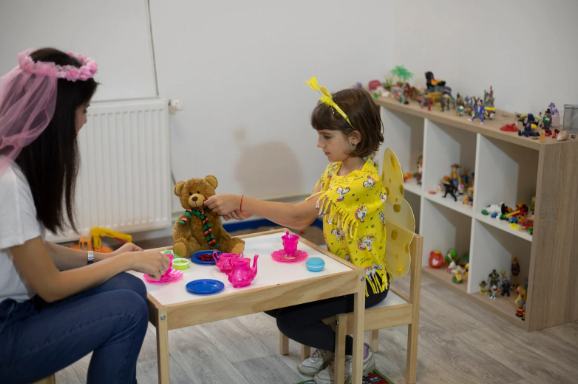
Home therapy plans are structured activities designed to support the development and progress of children with different needs. Customized plans are especially helpful because they are tailored to the child’s abilities, challenges, and goals. These plans allow therapy to continue beyond sessions with professionals, making progress part of everyday life.
Why Customized Home Therapy Plans Matter
Every child learns in their own way. A personalized therapy plan helps
- Reinforce skills learned during therapy sessions
- Provide regular practice in a comfortable home environment
- Build independence and confidence
- Support developmental milestones
- Strengthen the bond between parents and children through shared activities
Key Areas in Home Therapy Plans
Customized plans may include activities that focus on
- Speech and Language Practicing sounds, words, and simple conversations
- Fine Motor Skills Activities like cutting with scissors, drawing, or building with blocks
- Gross Motor Skills Exercises such as jumping, climbing, or balance games
- Sensory Activities Play with textures, movement games, or calming strategies for sensory regulation
- Daily Living Skills Encouraging independence in dressing, eating, or hygiene tasks
How Parents Can Support Home Therapy Plans
Parents play a vital role in home therapy. They can
- Follow guidance from therapists to carry out recommended activities
- – Schedule short, regular practice sessions each day- Use praise and encouragement to motivate their child
- – Be patient and flexible, adjusting activities to fit the child’s needs and energy levels
Tips for Successful Home Therapy
- – Keep activities fun and engaging to hold interest
- – Practice consistently but avoid making it stressful
- – Track progress to celebrate improvements
- – Involve siblings or family members in activities for social practice
Speech Therapy for Children with Stuttering
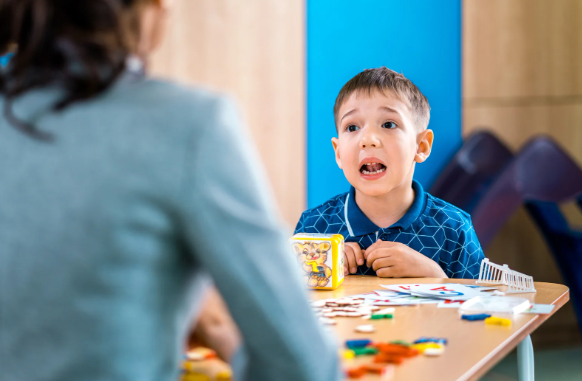
Stuttering is a speech disorder that affects the flow of speech. Children who stutter may repeat sounds, syllables, or words, stretch out sounds, or experience pauses while speaking. While occasional disfluencies are common in young children, consistent stuttering may require professional support through speech therapy.
Understanding Stuttering in Children
Stuttering often begins between the ages of 2 and 6 when children are rapidly developing language. It may come and go, but for some children it becomes more persistent. Stuttering can affect communication, confidence, and participation in school or social activities.
Common Signs of Stuttering
- Repeating sounds or syllables (for example b b b ball)
- Prolonging sounds (ssssun)
- Pausing or getting stuck on certain word
- Tension in the face or body while speaking
- Avoiding talking due to frustration
How Speech Therapy Helps Children with Stuttering
Speech therapy provides techniques and strategies to help children speak more fluently and with confidence. Some approaches include
- Slowing Down Speech Teaching children to use a slower pace to reduce pressure while speaking
- Breathing Techniques Encouraging calm breathing patterns to support smoother speech
- Easy Starts Practicing gentle beginnings to words and sentences
- Reducing Tension Helping children relax muscles used in speech
- Building Confidence Encouraging communication in safe and supportive environments
The Role of Parents in Supporting Children with Stuttering
Parents play a key role by
- Listening patiently without interrupting
- Giving children time to express themselves
- Avoiding correction or criticism of speech
- Creating a relaxed communication environment at home
- – Encouraging positive self esteem and celebrating progress

Speech Therapy for Children with Autism
Speech therapy is one of the most important supports for children with autism. Many children on the autism spectrum experience challenges with communication. These challenges may include difficulty speaking, understanding language, or using non verbal communication such as gestures and facial expressions. Speech therapy provides tools and strategies that help children express themselves and connect better with others.
Why Speech Therapy is Important for Children with Autism
Children with autism may communicate in different ways. Some may have limited spoken words, while others may speak fluently but struggle with social communication. Speech therapy helps by addressing these challenges through structured activities and personalized techniques.
The main goals of speech therapy for autism include
- Improving the ability to understand and use spoken language
- Building vocabulary and sentence formation
- Developing non verbal communication skills such as pointing or using pictures
- Enhancing social skills like taking turns in conversation or maintaining eye contact
- Encouraging alternative communication methods if needed, such as picture exchange systems or communication devices
Techniques Used in Speech Therapy
Speech therapists use a variety of methods based on the needs of the child. Common approaches include
– Play based therapy to make learning enjoyable and engaging
– Visual supports like pictures, symbols, or schedules to aid understanding
– Modeling and repetition to encourage correct use of words and phrases
– Social communication practice such as role playing or group activities
– Technology based tools like speech apps or devices for children with limited speech
Benefits of Speech Therapy
With consistent speech therapy, children with autism can achieve meaningful improvements in their daily lives. Some of the benefits include
- Better ability to express needs and feelings
- Improved social interactions with family, teachers, and peers
- Greater independence in daily activities
- Reduction in frustration caused by communication difficulties
Supporting Speech Development at Home
Parents and caregivers play a key role in supporting progress outside therapy sessions. Simple practices such as reading together, encouraging turn taking during conversations, using clear and simple language, and celebrating small achievements can make a big difference.

